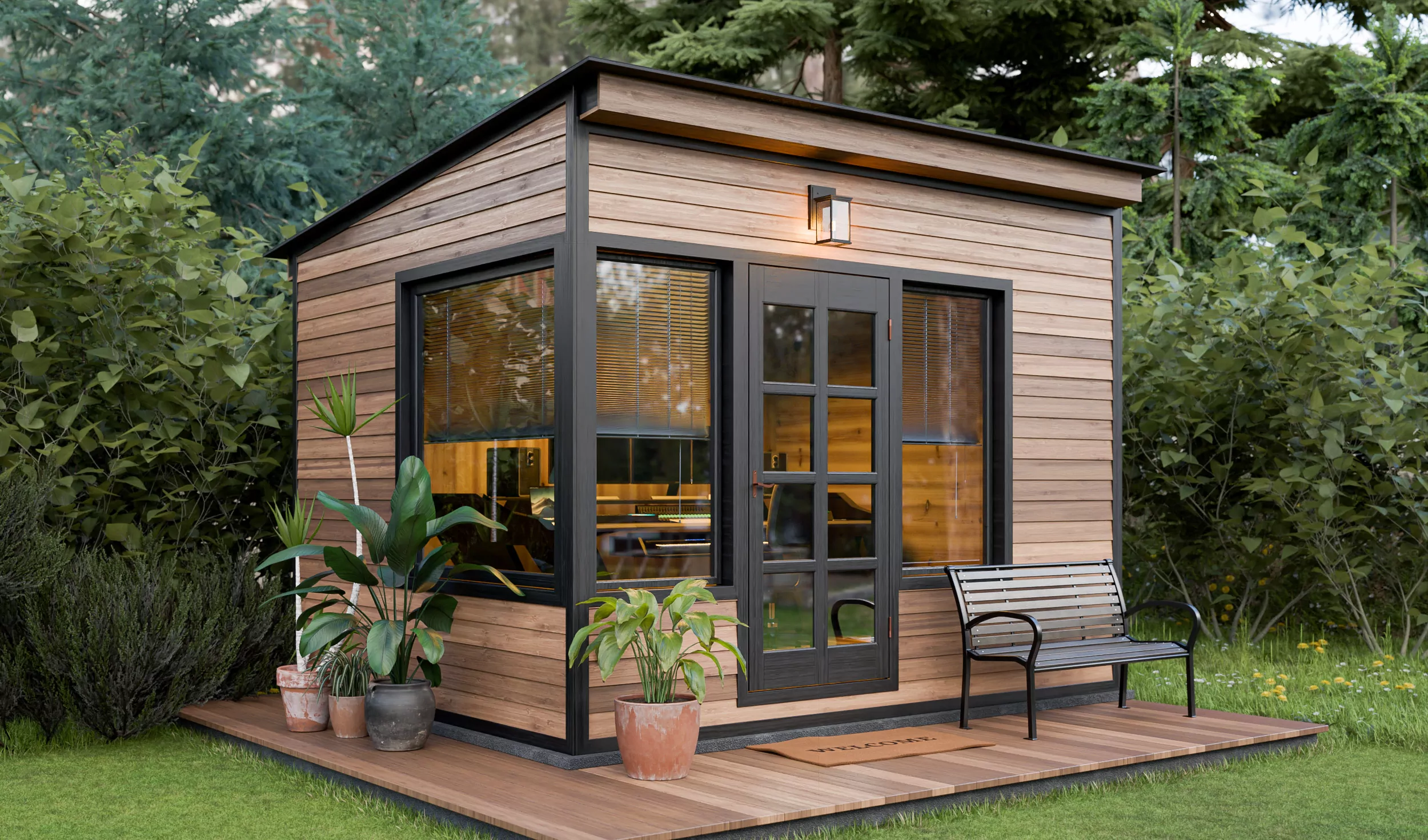
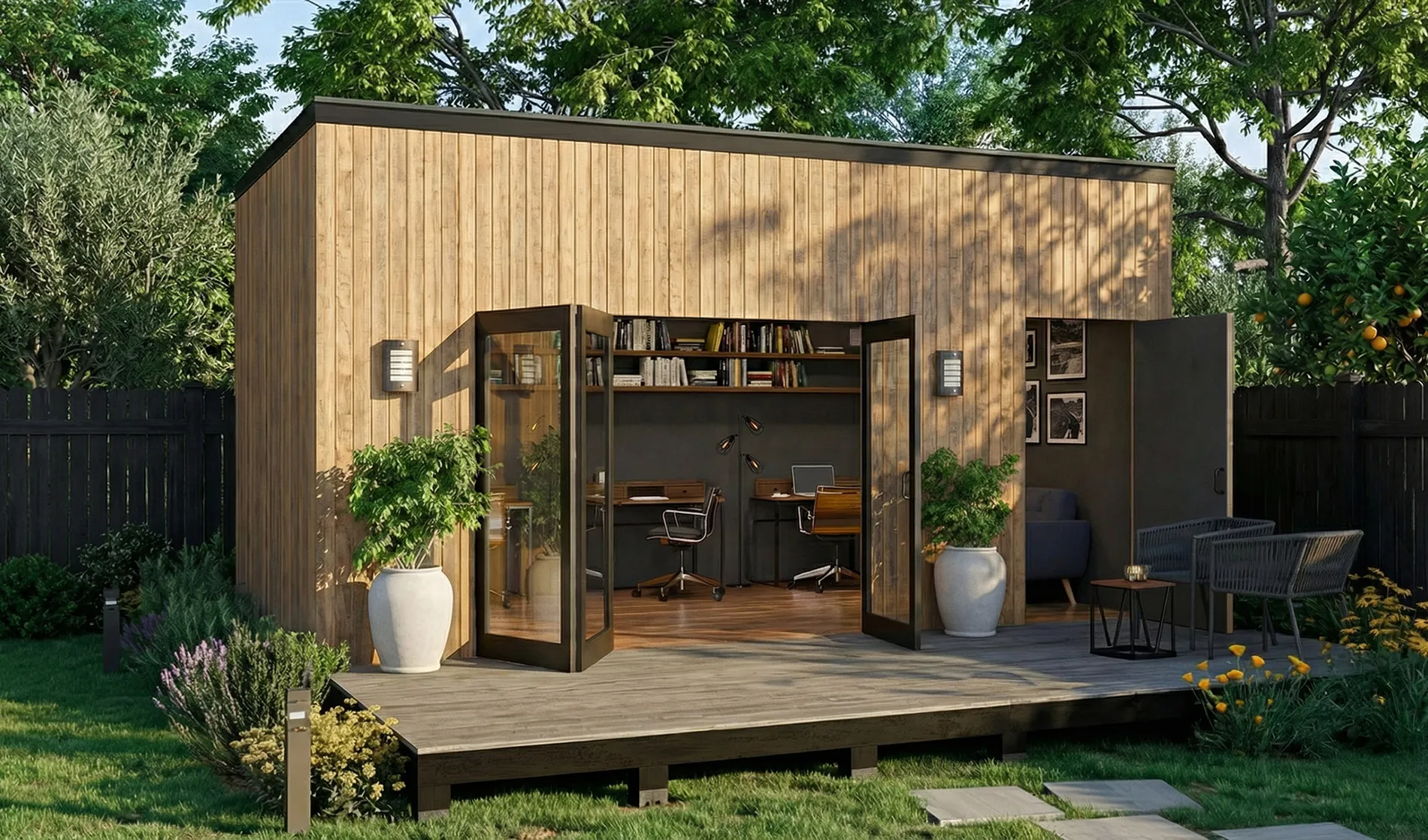
Top She Shed Themes & Design Concepts
Before breaking ground, it is essential to decide on a clear theme. A cohesive concept guides every decision, from the electrical layout to the final throw pillow. Select and maintain a consistent theme to ensure the space feels intentional rather than cluttered.
The Garden Potting Shed: For those with a green thumb, this theme prioritizes natural light and durable surfaces. Large windows or skylights are critical here. If converting the shed into a greenhouse or gardening space, ensure there is ample natural light for plant health. Interiors often feature stone or concrete floors that can handle water and soil, along with a potting bench and open shelving for tools.
The Creative Studio: Whether for painting, writing, or crafting, an art studio requires specific lighting conditions, often north-facing windows to provide consistent, indirect light that does not distort colors. Storage is key here; vertical shelving maximizes floor space for easels or worktables.
The Backyard Bar & Entertaining Lounge: If you enjoy entertaining, or just want a spot where you can make yourself a drink after a long day, a great addition for your she shed might be a bar. This setup often includes a beverage fridge, a bar cart, or a custom wet bar. When designing an entertaining area, a non-obvious variable is ensuring enough room for guests to comfortably mingle, which might dictate a larger footprint or double doors that open to a patio.
1. Planning Your She Shed: Size, Permits, and Building Codes
Before purchasing materials or breaking ground, it is critical to investigate the building code for sheds and permit requirements in a specific jurisdiction. Rules vary significantly by location; what is permissible in one town might trigger extensive permitting processes in another. Failure to secure proper permits can result in fines or forced removal of the structure.
Design Based on Available Space: Assess the existing space to guide design choices and determine the amount of furniture that can fit. A common strategic choice is a 96 square foot footprint (8′ x 12′). The 8′ walls create a surprisingly spacious feel without overwhelming the available backyard space. This specific size often falls within the “no permit required” threshold in many municipalities, avoiding the complications associated with larger structures, though this must always be verified locally.
Key research steps include:
- Zoning Office Verification: Visit the local zoning office in person or contact them directly to obtain official documentation.
- Setback Requirements: Confirm the mandatory distance the structure must be set back from property lines.
- Height and Foundation Rules: Inquire about maximum height restrictions and specific foundation requirements (e.g., concrete slab vs. gravel pad).
- Utility Permits: Determine if electrical or HVAC installations require separate permits. The complexity of electrical wiring often surprises beginners; running electricity to power lights and equipment is a technical process that may require a licensed electrician to ensure safety and code compliance.
- HOA Restrictions: Request written information regarding any Homeowners Association restrictions that may supersede municipal codes.
Maintaining a written record of all findings is essential. Keeping a folder with permit documents, approved plans, and inspection records provides necessary documentation for future property sales or insurance claims.
2. Budgeting and Cost Breakdown
Understanding the shed cost breakdown is vital for making informed decisions about resource allocation. The base structure represents the foundation investment, but accounting for enhancements is necessary to transform a basic shell into a functional workspace.
Data from custom builds suggests a high-quality base structure often costs around $12000 after customizations. Key upgrades, such as 6′ French doors with transom windows, add significant cost but dramatically alter the aesthetic and functionality. Structural modifications, like a “bump out” design, create valuable interior real estate that justifies the expense.
Standard budget categories beyond the base structure include:
- Custom Features: French doors, upgraded windows, and architectural details.
- Flooring: Quality materials like reclaimed hardwood (typically costing around $1,400 for 100 sq ft).
- Climate Control: Mini split heating/cooling systems (ranging from $1,500 to $2,500 depending on sales and capacity).
- Professional Labor: Costs for insulation installation and expert assembly if not DIY.
- Interior Finishes: Paint, trim work, and custom furniture pieces.
Strategic spending focuses on structural integrity and systems that are difficult to retrofit. Professional construction and proper insulation are areas where quality should not be compromised. Conversely, savings can be found by performing finish work like painting or sourcing HVAC units during off-season sales events.
3. Choosing Materials for Durability and Aesthetics
Material choices determine how the structure withstands weather elements and maintains its appearance over time. Cedar shingles are a premier choice, offering exceptional weather resistance while developing a beautiful silver-gray patina. Their natural oils repel moisture and resist rot, making them ideal for exterior protection. The exterior protection function of high-quality siding like cedar extends the lifespan of the building significantly compared to standard plywood siding.
When developing plans, flooring deserves careful consideration. Reclaimed wood flooring brings character that new materials lack. For example, antique white oak planks often feature unique grain patterns, nail holes, and weathered textures. While expensive (approx. $14/sq ft), the investment yields a durable floor that hides wear effectively. The varying widths (3″-5″) and lengths (2-12′) of reclaimed lumber create an organic, collected look.
Alternatively, composite building materials offer a viable option for specific applications like decking or trim. These materials provide durability and low maintenance requirements, resisting rot and insect damage without the need for regular sealing or painting.
4. Comfort Ideas: Heating and Cooling
A she shed cannot serve as a year-round retreat without effective climate control. Small outdoor buildings possess low thermal mass, meaning they heat up rapidly in summer and lose warmth quickly in winter. Effective heating and cooling solutions are required to maintain habitability.
A high-quality mini split unit is the industry standard for shed climate control. These ductless systems deliver both heating and cooling through a single wall-mounted unit. While initial costs can be around $2,300, they are more efficient than window units and safer than space heaters.
Mini split advantages for small structures:
- Energy Efficiency: Inverter technology adjusts power usage to maintain temperature, keeping operating costs low.
- Quiet Operation: Low decibel levels ensure work or relaxation is not disrupted by fan noise.
- Space Saving: The compact design does not occupy floor space or require blocking a window.
- Zoning: Precise temperature control for the specific square footage.
Climate Constraint for Open Walls: Removing a wall to create an indoor-outdoor space or installing extensive glass is only advisable if you live in a mild climate to prevent exposure issues. Large glass areas significantly increase thermal load, potentially overwhelming a standard mini split unit. Proper insulation in the floor, walls, and ceiling is a prerequisite for any HVAC system to function effectively.
5. Exterior Design and Landscaping
The exterior design sets the tone before one enters the space. French doors make a dramatic statement, visually expanding the interior while providing a wide entry point. 6′ French doors with transom windows maximize natural light, a crucial element for small spaces.
For the finish, a soft, warm white paint (often diluted to 50% strength) on cedar shingles creates a sophisticated, custom look that allows the wood texture to show through. Architectural details like a cupola for ventilation and a scroll-style lantern for lighting add refinement that distinguishes a custom retreat from a tool shed.
Landscaping and Exterior Ambiance
Enhance the exterior with landscaping to ground the structure in its environment. A shed dropped onto a lawn can look out of place; adding garden beds softens the transition between the building and the ground. Spruce up the area around the shed with window boxes, water features, stone paths, or privacy hedges to create an escape. These elements help the structure settle into the landscape.
Ambiance creation through landscaping completes the retreat feel. Consider a stone walkway leading to the entrance to define the journey to the space. Make the entrance cozy by adding a seasonal wreath, doormat, planters, or outdoor seating. Even a small gravel patio with two chairs can extend the usable living space to the outdoors.
6. Interior Design for Function and Flow
Interior design in a compact 96 square foot space requires strategic color and layout choices. Painting interior walls with a soft, warm white (eggshell finish) reflects light and makes the room feel larger. The eggshell finish is practical, offering a wipeable surface that diffuses light without creating harsh glare on screens.
Color Coordination Strategy: Introduce depth through accent colors on furniture rather than walls. A custom desk painted in a blue-gray hue adds visual interest without closing in the space. This approach allows for flexibility in changing decor over time while maintaining a calm atmosphere conducive to focus.
Select and Maintain a Consistent Theme: To ensure the small space doesn’t feel chaotic, choose a specific theme (e.g., gardening, meditation, office) and apply it uniformly throughout the shed. If the goal is a farmhouse style, embrace wooden accents, shiplap wall paneling, exposed beams, or a sliding barn door. If the goal is a modern studio, stick to clean lines and minimal clutter.
7. Custom Furniture, Storage, and Finishing Touches
Details transform a structure into a retreat. Custom furniture allows for the maximization of every square inch. A bespoke desk can be tailored to exact dimensions, ensuring it fits perfectly without wasting floor space. Start the electrical wiring process before adding furniture and other decor to the shed to ensure outlets are positioned exactly where the desk and lamps will go.
Storage Solutions: Vertical storage is essential. An antique hutch draws the eye upward and provides storage for books and supplies without a large footprint. Vintage pieces add a layer of warmth and history that new flat-pack furniture cannot replicate.
Decorative Accents: Lighting plays a major role in ambiance. Sconces provide warm, ambient light for evening use. Antique botanical prints or artwork can bridge the indoor-outdoor connection. For those using the space for relaxation, set up an inviting area with a dining table, sofa, lounge chairs, or a bar with stools to accommodate guests.
Smart Storage for Small Spaces:
- Vertical Utilization: Tall shelving units and wall-mounted hutches.
- Multi-functionality: Ottomans with hidden storage compartments.
- Wall Organization: Pegboards or wall organizers to keep horizontal surfaces clear.
Creating a personalized haven is a process of layering, starting with a solid plan, navigating codes, investing in quality materials, and finishing with personal touches. It is a journey of transforming a simple backyard footprint into a functional, beautiful extension of the home.
FAQs (Frequently Asked Questions)
What is a she shed and why is the Cape Cod-style model popular for DIY projects? A she shed is a personal haven or office space designed for relaxation or work outside the main home. The classic Cape Cod model is popular among DIY enthusiasts due to its customizable plans and charming design, making it an ideal choice for those looking to build their own she shed.
What should I consider regarding size, permits, and building codes when planning my she shed? When planning your she shed, it’s important to understand local building codes and permit requirements to ensure legal compliance. Choosing an appropriate size, such as 96 sq ft with 8-foot walls, can provide a spacious feel. Researching regulations beforehand helps avoid legal issues and ensures your project proceeds smoothly.
How can I budget effectively for my she shed project including custom features? Budgeting should include costs for the base structure, customizations like 6′ French doors with transom windows, flooring, and heating/cooling systems. An example budget might be around $12000 after customizations. Prioritize spending on insulation and professional construction while incorporating DIY elements where feasible to manage costs efficiently.
What materials are best for durability and aesthetic appeal in a she shed? Cedar shingles offer excellent exterior durability paired with charming aesthetics. Using reclaimed wood flooring, such as antique white oak, adds eco-friendliness and a unique look. Selecting materials that balance longevity with style enhances both the function and beauty of your she shed.
What heating and cooling solutions work well for year-round comfort in a she shed? Climate control is key for comfort in small outdoor buildings. Mini split units are efficient heating and cooling solutions, especially when purchased during seasonal sales. Professional installation support from an HVAC specialist can reduce costs while ensuring optimal system performance.
How can I enhance the exterior and interior design of my she shed to create an inviting office space? For exterior curb appeal, consider features like 6′ French doors with transom windows, cedar shingles painted with a soft warm white at 50% strength, complemented by details like cupolas and classic scroll lanterns. Inside, use light neutral paints at reduced strength along with accent colors like blue-gray on custom furniture pieces to balance functionality with cozy decor. To create a warm, inviting atmosphere, consider using a combination of plush fabrics and rich textures.