
KEY POINTS
- Greenhouses shield plants from frost, harsh weather, and pests while allowing precise control over temperature, humidity, and growing conditions.
- Extended growing seasons add 3-4 months or more in colder zones, allowing earlier spring planting and harvests past first frost.
- Controlled environments boost plant health and productivity; hydroponic greenhouse tomatoes can yield 10-12 lbs per square foot vs. traditional soil growing.
- Greenhouses enable growing tropical plants, citrus trees, or zone-inappropriate crops in any climate by creating custom temperature and humidity conditions.
- Maintain optimal growing temps of 65-75°F throughout winter, enabling fresh herb and vegetable harvests even in freezing weather.
- Provides a sheltered, level workspace protected from rain and wind, making gardening easier for seniors and those with limited mobility.
As a gardener, you know how important it is to give your plants every chance of surviving. Not only that, but just how vital it is to create an environment where they can thrive, too! That’s often why many green thumbs decide to build a greenhouse for their garden or source one.
Adding these useful structures levels up your gardening practice by protecting your plants and giving them a safer place to grow.
The Purpose of a Greenhouse
The main purposes of having a greenhouse are to protect your plants and control conditions for a better growing season. A greenhouse is a little bit like a shield. It covers plants, keeping them away from the cold blanket of frost or harsh weather conditions throughout the year. It also helps cut down on annoying, garden-destroying pests.
By using a greenhouse, you’ll also have the chance to better control the surrounding environment for your plants. You can determine the temperature and humidity, and lengthen your growing season, no matter what climate you live in. There’s an option for every plant enthusiast, from small cold frames to larger, 10×16 greenhouses.
Benefits of Having a Greenhouse
There are many benefits to having a greenhouse, from protecting your plants to making gardening more accessible year-round.
If you decide that one of these convenient structures is a worthy addition to your garden, there is no shortage of greenhouse plans to turn your ideas into reality. But first, let’s break down the perks of a greenhouse.
1. A Greenhouse Creates the Perfect Growing Environment
One of the best benefits of a greenhouse is that it can maintain optimal growing temps (65-75° F) year-round. This means you can harvest fresh herbs and vegetables, even if it’s freezing outside. To keep your plants happy in winter, you’ll likely need a heating system in your greenhouses. This can cost around $200-$800/year for a standard 8×12 setup. It does depend on the climate you live in and the heat source you decide to use.
Aside from keeping the right temperature locked in, greenhouses protect plants from extreme weather, too. Snow, freezing temps, storms, and droughts can all easily ruin a garden, but the protective walls of a greenhouse put a stop to this. With misting systems, dehumidifiers, and ventilation, you can also control humidity levels for the best possible growing conditions.
With a greenhouse in your yard, you can take up gardening all year round. It gives you a chance to boost your gardening skills and harvest what you grow—whether you’re cultivating a colorful flower garden or herbs and veggies for new dishes.
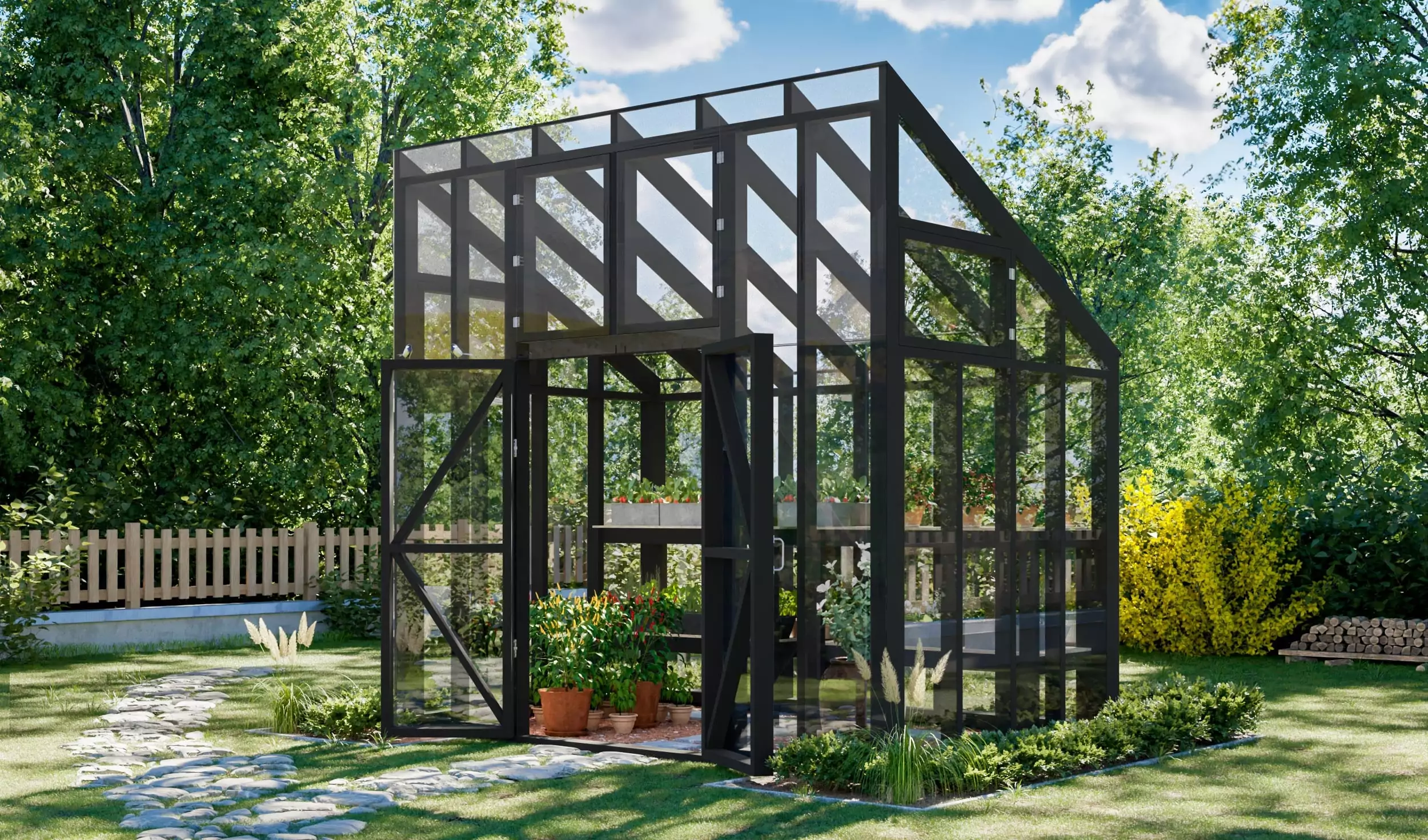 Craftcamp’s free DIY modern 8×12 greenhouse plan with storage shelves
2. It Extends the Growing Season
With a greenhouse, your horizons widen when it comes to the growing season. In colder USDA zones (3-6), greenhouses can extend the growing season by 3 to 4 months or longer with heating. You can start seeds 6 to 8 weeks earlier in spring and keep harvesting vegetables well past the first frost in fall.
An extended growing season also means you can welcome in crops that don’t usually thrive in your USDA plant hardiness zone. Greenhouses are ideal for kale, spinach, and other winter crops in Zones 7+. As an example, if you live in Zone 5 with colder weather, having a greenhouse allows you to grow plants that normally need a warmer climate and several months of frost-free days, such as sweet potatoes and okra.
You’ll also reap the benefits of multiple harvests. With succession planting, you can harvest double the amount of plants (or more) compared to sticking with just outdoor gardening alone.
3. A Greenhouse Boosts Plant Health and Yield
As mentioned, you can create a controlled environment with a greenhouse. This results in better growing conditions, and therefore, plants that are healthier and happier! By managing temperature, humidity, and light, you reduce stress on plants, leading them to grow vigorously and produce more.
Studies have found that hydroponic greenhouse tomatoes can yield 10–12 pounds per square foot, compared to much lower yields in traditional soil. Similarly, hydroponically-grown lettuce can produce up to 134% more than soil-grown lettuce.
Hydroponics is a method of growing plants in water or other non-soil materials like sand or perlite, allowing for more efficient nutrient delivery.
Plants also have better protection from diseases and pests when they grow inside a greenhouse rather than in a traditional garden. With panels in place, aphids, squash bugs, and other pests can’t easily access your crops and flowers. Fungal spores and other pathogens, such as powdery mildew, have a harder time invading this humidity-controlled environment compared to an open garden.
You can also keep a careful watch over soil type and conditions. Greenhouses make it easy to choose the exact kind of soil your plants need and keep it safe from contamination and erosion. This gives your crops or flowers better conditions that ensure healthy growth. Commonly used soil materials for greenhouse plants include peat, perlite, vermiculite, and sand.
You also have more control over the amount of water your plants get. Irrigation systems inside greenhouses provide the right amount of water needed for growth, reducing the risk of dry soil or overwatering.
4. It Expands What You Can Grow
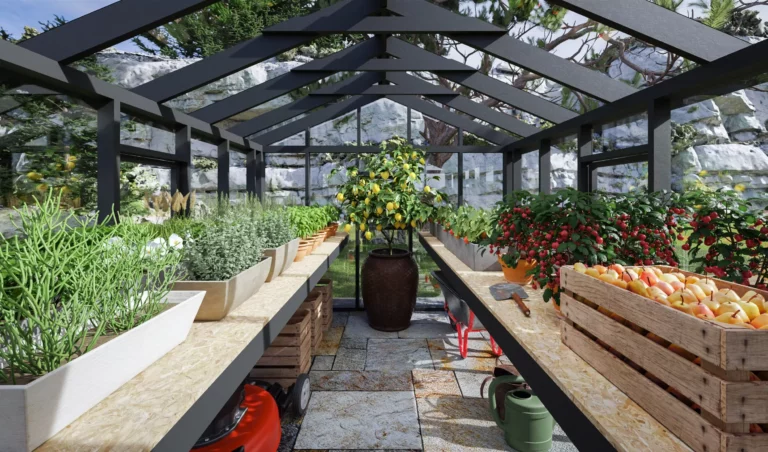
If you’ve ever imagined having tropical plants or growing flowers from warmer regions, a greenhouse can make this happen in your own backyard. With a controlled environment, you can create the conditions of zones you don’t live in, allowing you to grow herbs, vegetables, flowers, and plants that are usually found elsewhere.
Heated greenhouses allow you to grow orchids (requiring 70-85° F), citrus trees, and other tropical plant species in cold climates. Or you can make your own desert garden with cacti and other succulents. If you’re planning to grow crops, greenhouses let you grow herbs and vegetables, like turmeric or eggplant for all kinds of recipes.
Greenhouses are also ideal for giving you a chance to experiment with different ways to grow plants. You can give vertical gardening a try to make the most use of your space, or set up hydroponics to grow leafy greens or mint. This is a great way to enhance your skills as a gardener and broaden your knowledge!
5. It Makes Gardening Easier and More Accessible
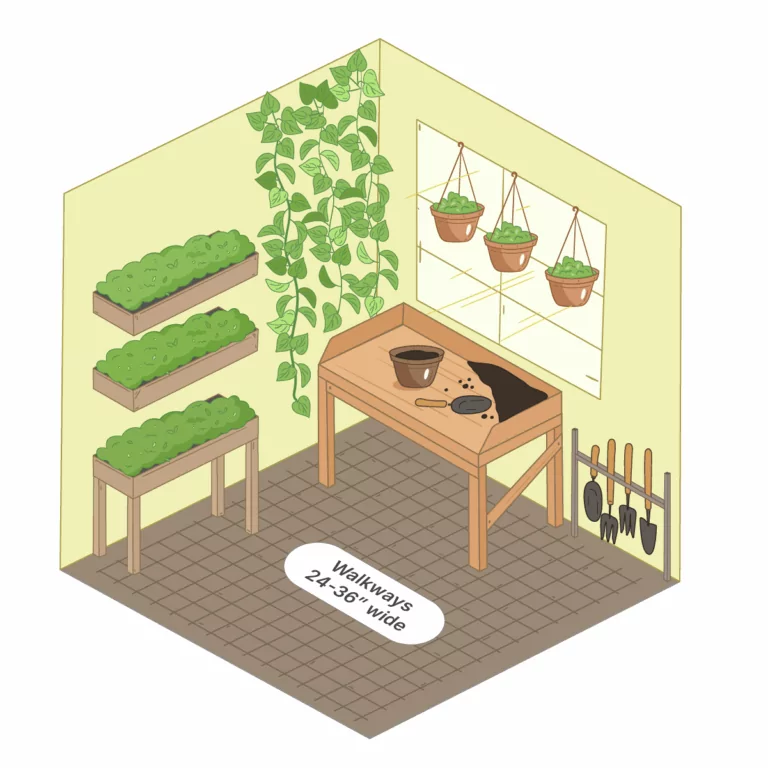
Your gardening goals are often easier to achieve with a greenhouse. Having this space to tend to your garden makes this hobby more accessible, too.
Greenhouses protect from rain, wind, and other elements, allowing you to garden comfortably throughout the year. They’re especially beneficial for seniors or gardeners with limited mobility, offering a sheltered, level space that’s easier and safer to navigate than outdoor beds.
These controlled conditions are ideal for handling tasks like harvesting crops, sowing seeds, or pruning. To make it even more accessible, you can optimize your greenhouse layout with 3-foot aisles, 30-inch bench heights, and tool storage within easy reach of your work area.
6. It Adds Value to Your Backyard
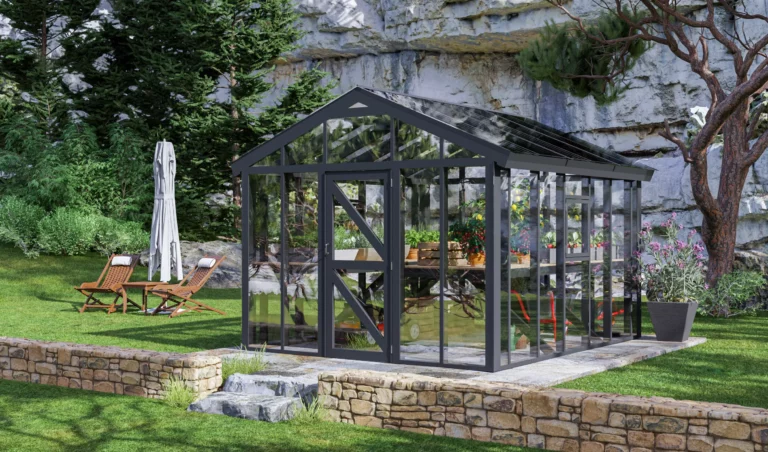
Aside from the perk of having an all-season growing environment, a greenhouse enhances your yard’s visual appeal. Aesthetics may not be the sole purpose of a greenhouse, but it does beautify your yard.
Having a well-designed greenhouse can enhance curb appeal and might even contribute to increased home value. It also brings you closer to nature, and a place you can return to each day for a few tranquil moments with your plants.
What Are the Pros and Cons of Greenhouses?
Although greenhouses bring many benefits with them, it’s always important to weigh up both the pros and cons.
Overall, you get better protection from weather and pests, along with the ability to grow in all seasons and get healthier plants in higher quantities. However, the downsides include that they require maintenance, enough space in your yard, and the right positioning to avoid too much sun and overheating. They might also cost you more to set up or build.
Here’s a quick summary of the advantages and disadvantages of greenhouses:
| Pros | Cons |
| Grow fresh crops in all seasons | Initial setup cost can range from $500 (small) to $5,000+ (large), depending on size and materials |
| Protect plants from weather and pests | Regular maintenance required (cleaning panels, checking irrigation, etc.) |
| Higher yields and healthier plants | Needs space and good sun exposure (at least 6×8 ft for productive growing) |
| Great for experimenting with crops | May require a building or zoning permit, depending on local laws and regulations |
Summary: Is a Greenhouse Worth It?
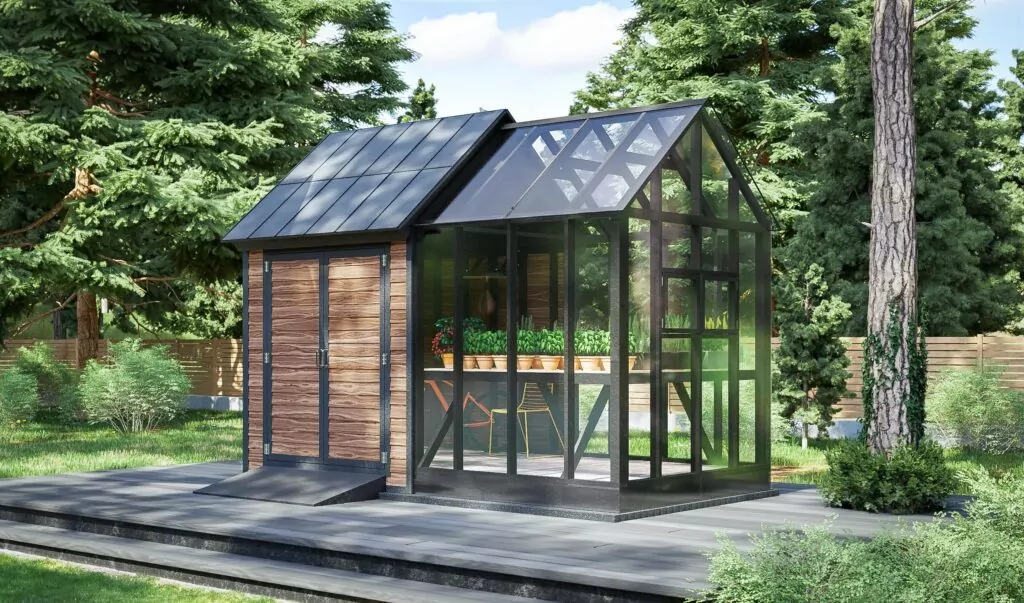 Craftcamp’s rustic greenhouse plan with wood panel design
Yes, a greenhouse can be a smart, rewarding investment to add to your yard. It lets you grow fresh food year-round, protects your plants from pests and weather, and even boosts your property value.
That said, greenhouses do come with a few costs. Setting up a structure typically ranges from $500 to $5,000+, depending on the size and materials you choose. You’ll also need to budget around $200 to $800 per year for heating if you want to grow through colder months. Plus, daily temperature and humidity monitoring is important to prevent crop loss and keep plants healthy.
Despite the investment, many gardeners find it’s well worth the time and cost. If any of the following are relevant to your gardening practice, you might find a greenhouse is totally worth the time, money, and energy:
- You have a shorter growing season due to your local climate
- You’re interested in gardening as a hobby
- You have a desire to grow plants or crops outside of your zone
- You’d like to grow your own food and plants
- You need a more comfortable and accessible gardening environment
- You’d like to boost your property value as a homeowner
Interested in building your own greenhouse? Explore our free greenhouse plans to choose a design that works best for your yard and growing needs! You’ll find compact designs for small yards, large designs for spacious areas, and a range of options in between.
FAQs
What are the advantages of a greenhouse?
Some of the main advantages a greenhouse provides are a longer growing season, protection from weather and pests, higher crop yields and better plant health, and control over your growing space.
What’s the main reason to use a greenhouse at home?
The main reason to use a greenhouse is to protect your plants by controlling their environment and keeping harsh conditions out. Greenhouses also allow you to plan your own herbs, vegetables, and fruit, and they give you a relaxing sanctuary to spend time in.
Why is a greenhouse useful in colder climates?
Living in a colder area means you have limited time to do gardening before freezing temperatures and inclement weather arrive. Greenhouses offer a heated growing area that’s safe from snow and ice, allowing you to grow all kinds of crops and plants that aren’t in your usual planting zone.
What makes greenhouses efficient?
Greenhouses can retain around 60 to 80 percent more heat from the sun, so you don’t have to rely on supplemental heating as much. This helps lower the operating costs for your greenhouse.