


12×6 Lean-To She Shed Plans with Floor-to-Ceiling Glass Doors and Windows
Six feet deep is narrow enough to tuck along a side fence where standard 8- or 10-foot-deep sheds won’t fit. Floor-to-ceiling glazing complicates the build: more flashing, careful door sizing, and a slab or pier foundation rather than skids (the glass weight is non-trivial). One and a half weekends, $900–1,300, intermediate due to the glass install. Worth choosing if a narrow side yard forces the orientation.

Spacious 24x24 double car garage plans
A working two-car detached garage with a single-pitch roof. Visually cleaner than a gable, but the long unbroken roof span means heavier rafter sizing and careful drainage planning. Concrete slab mandatory; building permit and inspections expected in every US jurisdiction. Materials $9,000–14,000, six to eight weekends with help. Worth picking over the gable version (GARA06) when local code limits ridge height or modern lines are the goal.

12x12 Lean to Shed Plans Easy
A square 144 sq ft puts you in permit territory in most US towns. The lean-to roof is the easiest framing in this size class, since there’s no ridge beam to set; just a single slope laid across differential wall heights. First-time builders typically finish the structure in two to three weekends. Materials $1,800–2,500. Pressure-treated framing on a gravel pad works for most sites.

24x24 Double Garage Shed Plans
576 sq ft modern-styled two-car garage. The design alternative to the gable GARA06, with cleaner exterior lines and similar structural demands. Engineered slab, permit, full inspection schedule. Materials $8,500–13,500, six to eight weekends, advanced.

10x10 She Shed Plans with Porch
The covered porch adds about 30 sq ft of overhang you’ll actually use: shade for the door, somewhere to leave muddy boots, a place to sit out a passing rain shower. Porch posts and beam set need their own footings, which is the step beginners tend to underestimate. Three weekends, $1,800–2,500, intermediate.

6x8 Lean to Shed Plans Garden Tool
Double doors on a 48 sq ft shed feel excessive until you’ve tried wheeling a mower through a single door and had to angle it sideways. One weekend, $550–800, beginner. No permit needed in most US municipalities at this size.

4x6 Lean to Shed Plans Small Garden
Almost seven feet of interior height inside 24 sq ft means rakes and shovels store upright instead of diagonally. No permit at this size in most US towns. Skids on a gravel pad, one weekend, $400–550 in materials. A defensible first project for anyone who’s never framed.

Modern 12x16 Garden Shed Plans
8’7″ walls are the modern aesthetic move, taller than the standard 7-foot wall and changing both the look and the storage capacity. Permit required at this size. Four weekends, $2,800–3,900, intermediate. The lean-to roofline gives the clean modern profile.

10x10 DIY Lean-To She Shed Plans
Three 5-foot windows on a 100 sq ft plan is generous glazing for the size. The space feels usable as a small office or studio, but the window count adds roughly half a day for openings and flashing. Permit-boundary territory; check locally. Two and a half weekends, $1,400–2,000, intermediate.

8x14 Backyard She Shed Plans With Large Windows
Crosses the 100 sq ft permit line, so verify locally before ordering materials. The decorative shutters and wall lanterns are cosmetic add-ons with no framing impact, but they’re what gives the shed a finished rather than utilitarian appearance. Two and a half weekends, $1,500–2,200, intermediate due to the window flashing.

8x8 Lean to Shed Plans Double Door
The simplest plan at this size and the easiest first build for a complete beginner. Single-slope roof, double-door front, no windows in the base layout. One and a half weekends, $650–950, beginner. SHED01 covers the same dimensions with a small gable upgrade if you want the aesthetic.

10x12 Lean to Storage Shed Plans
Integrated ramp on a 120 sq ft lean-to. The ramp matters more than people expect once you’re rolling wheelbarrows or mowers in and out daily. 120 sq ft sits right at the permit threshold in most US municipalities, so verify locally. Two to three weekends, $1,500–2,200, beginner-to-intermediate. Pressure-treated framing on concrete piers handles most yards without major site prep.

12x20 Lean to Shed Plans Storage
Lean-to at 240 sq ft with a 5’4″ door and integrated ramp. The ramp matters more at this size than on smaller plans, since you’ll mostly be storing wheeled equipment rather than hand tools. Four weekends, $3,300–4,500, intermediate. Permit territory in essentially all US municipalities.

4x8 Lean to Shed Plans Small Yard
Less interior height than SHED25’s gable variant, but the integrated ramp earns its keep once you’re rolling a push mower or wheelbarrow in regularly. $400–600, one weekend, beginner skill.

8x8 Modern She Shed Studio Plans
Taller walls and a window layout sized for natural light separate this from the basic SHED03 at the same 8×8 dimensions. Worth picking when a small studio is the goal rather than a tool shed. Two weekends, $900–1,300, beginner-to-intermediate.

DIY 8x10 Lean to Shed Plans Outdoor
The lean-to version of SHED13’s 80 sq ft layout. Simpler roof, no loft, finishes faster. One and a half weekends, $850–1,250, beginner.
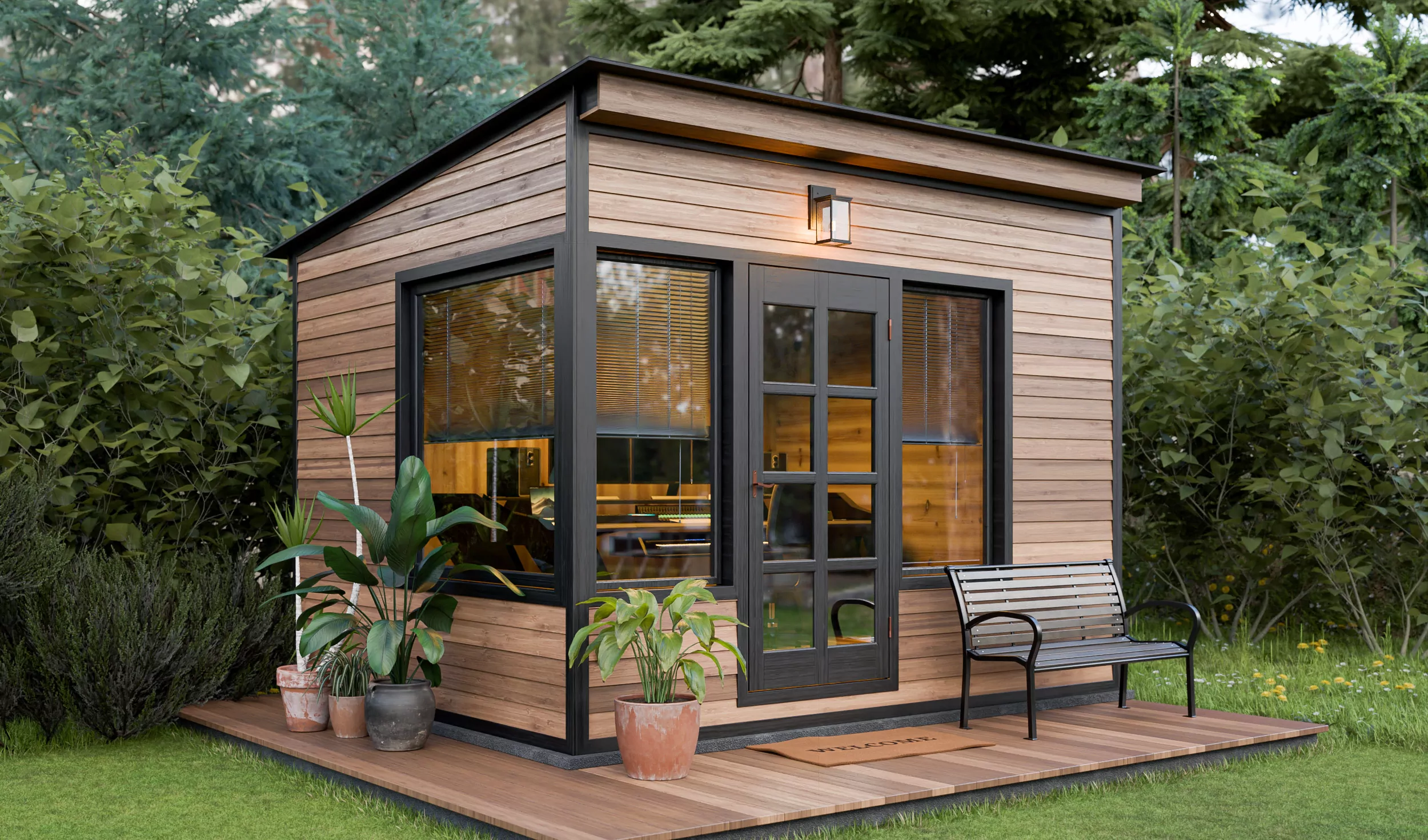
10x12 Modern Garden Office Plans
The simpler 10×12 alternative to OFFI03’s window-heavy build. Same dimensions, lighter glazing detail, finishes in two weekends with a helper. Likely a permit at 120 sq ft. Materials $1,500–2,200, beginner-to-intermediate. The clean lean-to roofline pairs with modern home architecture better than a gable would.

10x16 Lean to Shed Plans Slant Roof
Tall walls and a single-slope roof give maximum vertical storage along the high side, which is why some builders pick this over the gable variant (SHED69) at the same dimensions. Permit required. Three weekends, $2,400–3,400, intermediate. Best paired with the high-side wall facing an existing fence or hedge to hide the height differential visually.

12x24 Lean-To Storage Shed Plans
8’7″ walls give genuine standing-height storage along the full 24-foot length. The geometry suits long-equipment storage (ladders, lumber, kayaks) better than a gable at the same dimensions. Permit and inspections. Materials $3,800–5,200, four to five weekends, intermediate.

14x20 Lean to Shed Plans Backyard Outdoor
280 sq ft with tall walls and gable vents. Built around vertical storage along the high side, useful when items hang on walls rather than stack on floors. Permit and inspections. Materials $4,200–5,800, five weekends, intermediate-to-advanced.

8x12 Lean to Tool Shed Plans
Same 96 sq ft as SHED09 but with simpler roof framing. The easier first build if you’ve never set rafters before. Two weekends, $950–1,400, beginner.

8x12 Lean-To DIY Backyard She Shed Plans
Under 100 sq ft on a single-slope roof, which keeps both the framing and the paperwork minimal. The plan budgets enough floor for a daybed or armchair plus a small writing desk. Comfortable as a reading nook or low-key hobby space without overcommitting on size. Two weekends, $1,100–1,600, beginner.

10x10 Lean to Shed Plans Simple
The simplest 100 sq ft plan we offer. No windows in the base layout, single-slope roof, pressure-treated frame on a gravel pad. A genuine first-shed option. Two weekends, $1,200–1,700, beginner. Windows or a porch can be added later without redesigning the structure.

10x20 Lean to Shed Plans Single Slope
The lean-to alternative at 200 sq ft. Roof framing is easier than the gable version (SHED65), but loft potential disappears. Permit and inspections in most jurisdictions. Three to four weekends, $2,900–4,000, intermediate. The single-slope roof drains efficiently to one side, which matters more in heavy-snow regions than people typically realize.

12x14 Lean to Storage Shed Plans Yard
168 sq ft of lean-to with double-wide doors, designed for yard equipment and tool storage on a single floor. Permit required. Three weekends, $2,200–3,000, beginner-to-intermediate. Worth picking over the gable version (SHED59) when you want the floor space without the rafter complexity.

12x18 Lean to Shed Plans Yard
216 sq ft puts you past the threshold where most US jurisdictions require both permits and inspections. The single-slope roof keeps framing manageable for the size; the 18-foot length is what makes it useful for long items like ladders, kayaks, or 12-foot-plus lumber. Four weekends, $3,000–4,200, intermediate. Pressure-treated frame on concrete piers is the right spec.
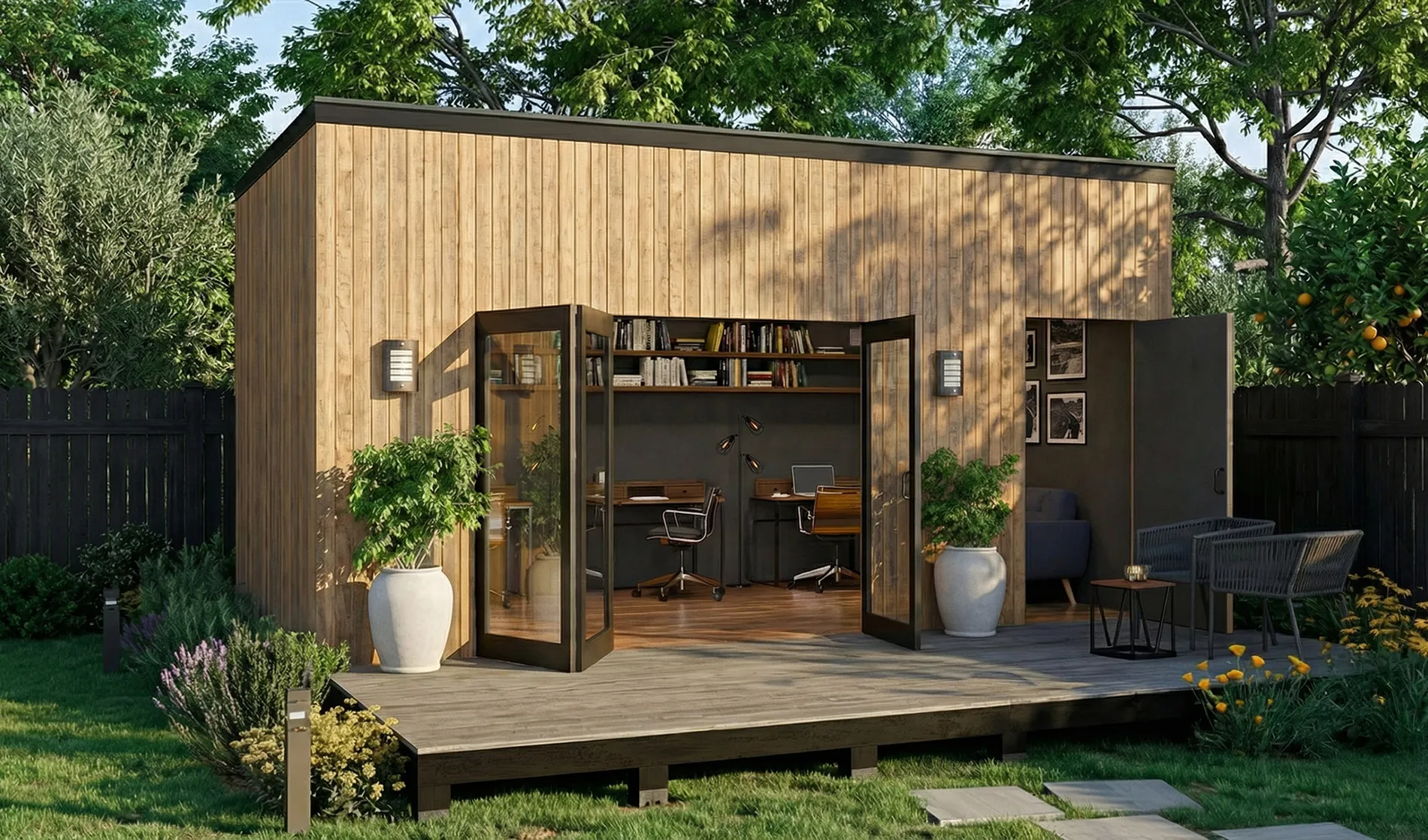
12x20 Studio Shed Plans Modern Design
240 sq ft office/studio with a covered porch. The porch is what separates this from same-size workshop plans. Bright window layout suits remote work; the porch gives a transitional outdoor space. Five weekends counting porch framing, $4,000–5,500, intermediate. Add minor electrical permitting if you’ll wire it.

14x14 Lean to Garden Shed Plans
Square 196 sq ft, just under 200. In some municipalities that matters for inspection requirements, so verify locally. The 3’4″ square windows give reasonable light for a home office or studio without the flashing complexity of larger glazing. Three to four weekends, $2,800–3,800, intermediate.

14x16 Lean to Shed Plans Custom
224 sq ft with vented walls and a double-door ramp. The layout assumes you’ll move equipment in and out rather than just stacking boxes. Permit and inspections required. Materials $3,400–4,600, four weekends, intermediate.
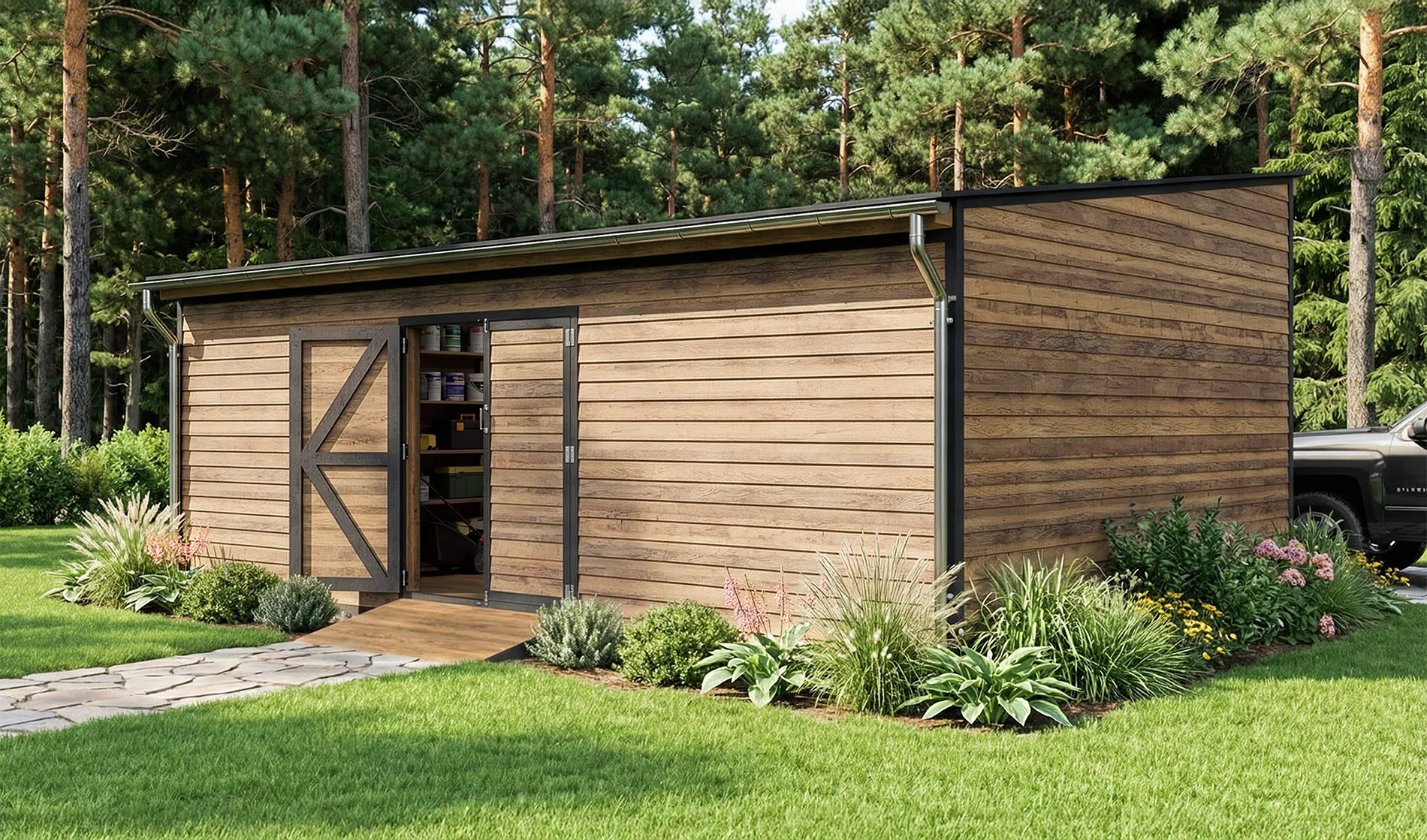
16x24 Lean to Storage Shed Plans
Eight-foot sidewalls over 384 sq ft give genuine vertical storage capacity. This is workshop-and-storage scale, not backyard-shed scale. Permit, inspections, slab. Materials $6,000–8,500, six to seven weekends, advanced. The wall raises are a two-person job.

6x10 Lean to Shed Plans DIY Garden
At 60 sq ft you’re well clear of the permit threshold in nearly all US municipalities. The integrated ramp matters once you start rolling a mower in and out. If static storage is the use case, the gable version (SHED21) has more vertical clearance. One and a half weekends, $700–1,000, beginner.

8x10 Modern Home Office Shed Plans
The cleanest small office plan in the library: 80 sq ft, lean-to roof directing rain away from the entry, dual windows positioned for desk lighting. No permit at this size in most US towns. Two weekends, $1,100–1,600, beginner-to-intermediate. Plan the conduit run before pouring piers if you’ll wire it for electrical.
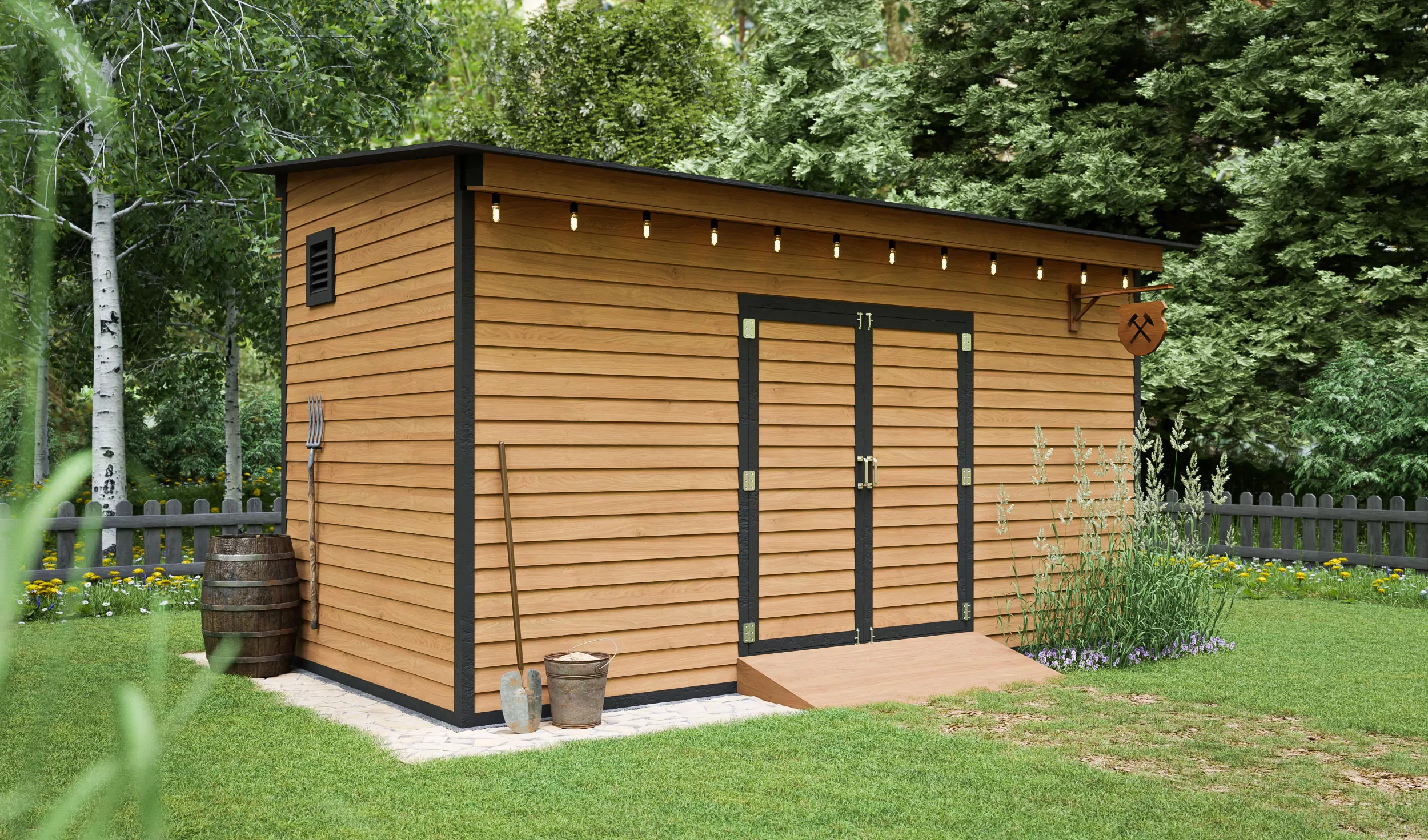
8x16 DIY Outdoor Storage Shed Plans
128 sq ft puts you in permit territory in most US municipalities. The 16-foot length is what separates this plan from smaller storage builds, since it’s long enough for 12-foot lumber or a serious workshop bench. Two and a half weekends, $1,400–2,100, intermediate.