Garage Shed Plans

Author profile picture Written by Craftcamp Published: December 9, 2025 | Updated: December 11, 2025

Garage sheds provide a practical solution for keeping large items safe and protected from the elements and theft over time, freeing up space elsewhere. These structures allow you to secure big items for the long term, and building your own garage shed significantly reduces costs compared to hiring contractors. Detailed shed designs feature wooden construction for increased strength and durability. Completing a garage shed project helps you save money, add value to your property, and results in a structure that lasts for decades.

The primary factor separating a successful build from a stalled one is the quality of the planning documentation. Attempting to build without a plan often results in material waste exceeding 15-20% of the total budget due to miscalculated lumber cuts. Our downloadable PDF plans eliminate this guesswork by providing the exact dimensions and cut lists needed to progress from the foundation to the roof efficiently.

Spacious 24x24 double car garage plans

This garage shed plan combines style and function, offering secure parking for two cars and additional storage space. Features a sleek sloped roof and comes with detailed instructions for easy DIY construction.

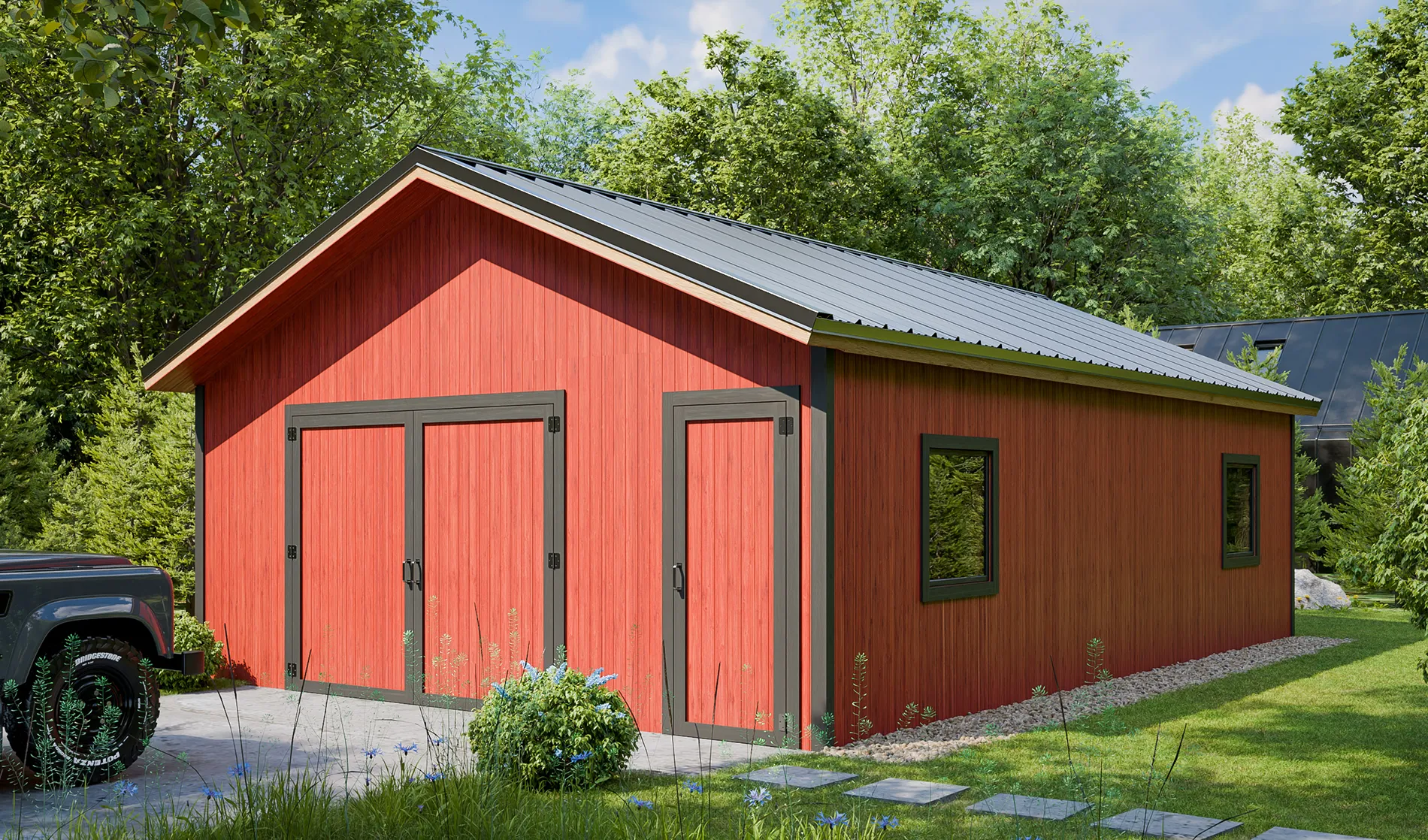
24×24 Gable Roof Garage Shed Plans Dual Vehicle Storage

This versatile structure features three windows for natural light and can be transformed into a bakery, art studio, workshop, or even a pub while protecting your belongings.

12×20 Garage Shed Plans Spacious Storage & Multi-Use

This versatile garage shed features an extra-wide 8′ x 7′ ¼” opening, two square windows, and a convenient front door, making it perfect for both vehicle storage and home office use.

12×24 Garage Shed Plans Gable Roof, Wide Door, Storage

Transform your outdoor storage needs with this solidly-built wooden shed featuring abundant natural light, customizable finishes, and a convenient ramp for easy access to all your valuable equipment.

16×20 Garage Shed Plans Durable, Elegant Gable Roof Design

Transform your backyard with our versatile and durable garage shed, featuring an 8-feet wide access, reinforced platform, and natural lighting through 3’4″ windows.

16×24 Gable Garage Shed Plans Store Vehicles & More

Create your dream workshop or parking space with this robust 384-square-foot structure, featuring natural lighting, barn-style charm, and a reinforced ramp for easy accessibility.

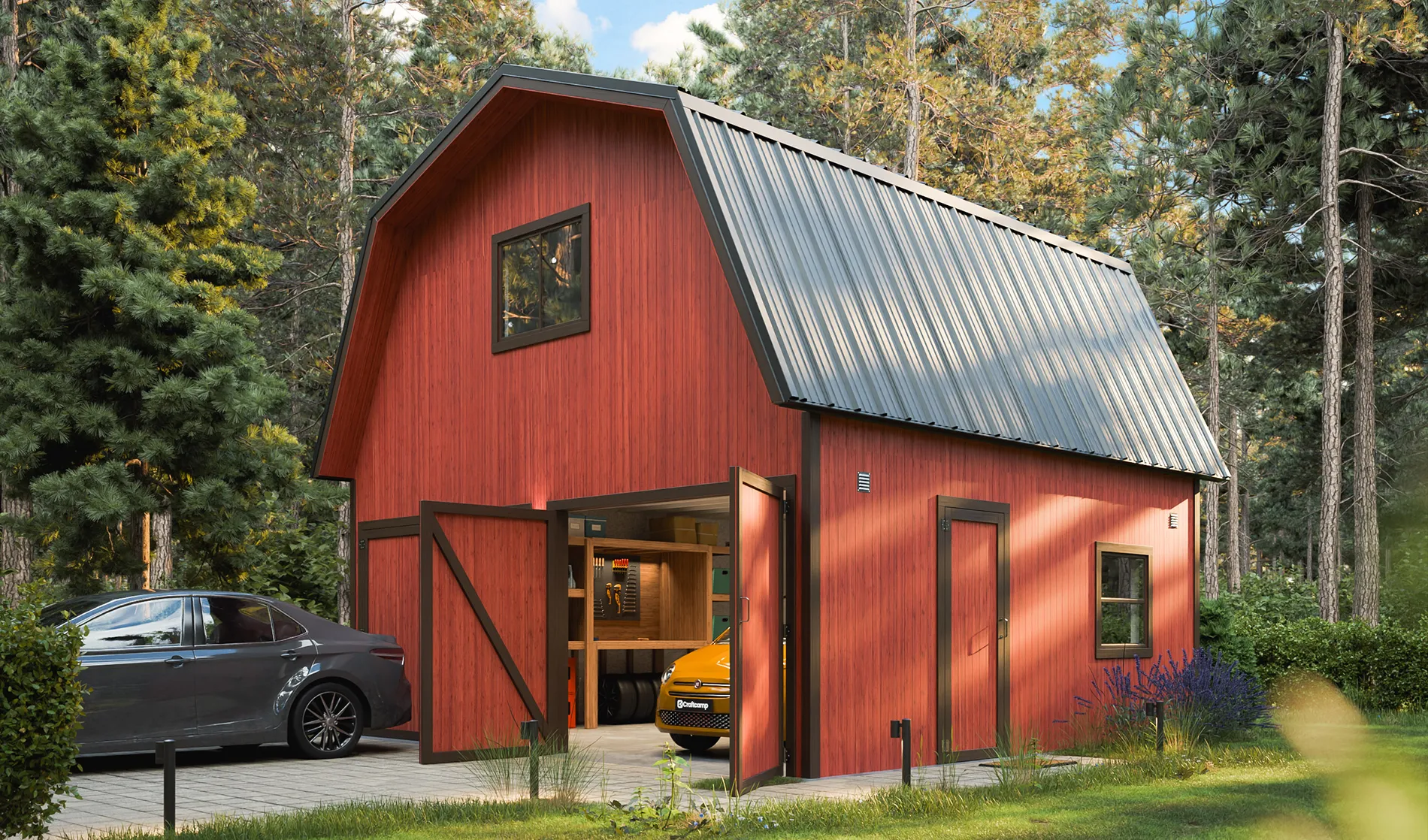
20×20 Gambrel Roof Garage with Loft Plans

Build a practical and inviting backyard addition with this classic gambrel-roof structure, offering generous interior space, loft potential, and timeless barn-style character – perfect for storage, projects, or parking.

20x30 Garage Shed

A versatile garage building with wide access doors, side entry, and a classic rustic exterior. Great for hobby work, storage, or expanding garage capacity.

24x24 Double Garage Shed Plans

Spacious double garage plans – perfect for cars, tools, and hobbies, with modern style and practical design.

30×40 DIY Double Car Garage Shed Plans

The strategically placed third door creates endless possibilities, allowing you to transform this spacious domain into a home office, creative studio, or any other personal sanctuary.

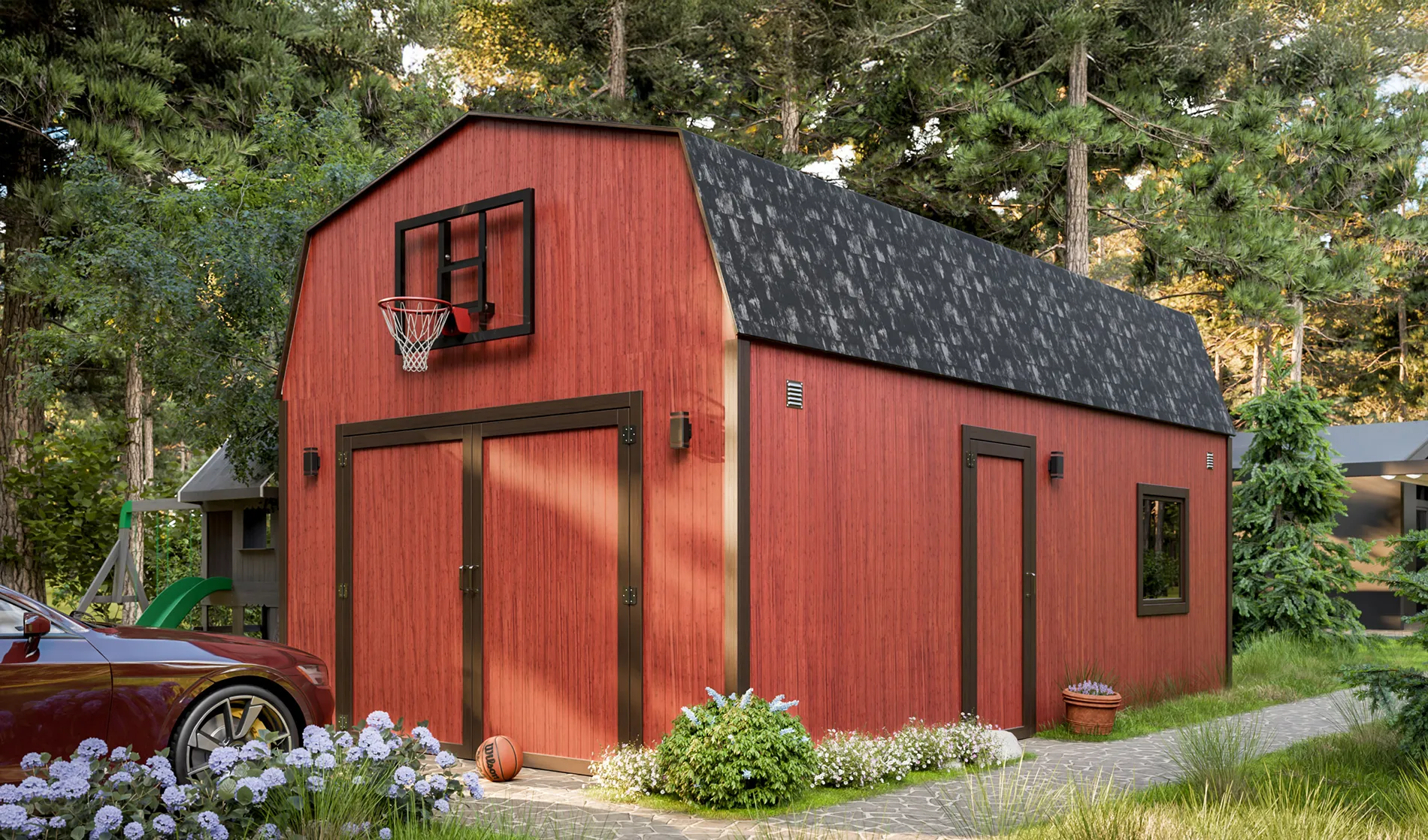
DIY 14×24 Barn Garage Plans with Loft

Spacious DIY barn-style shed with loft, wide double doors, and side access – perfect for storage, parking, or a home workshop.

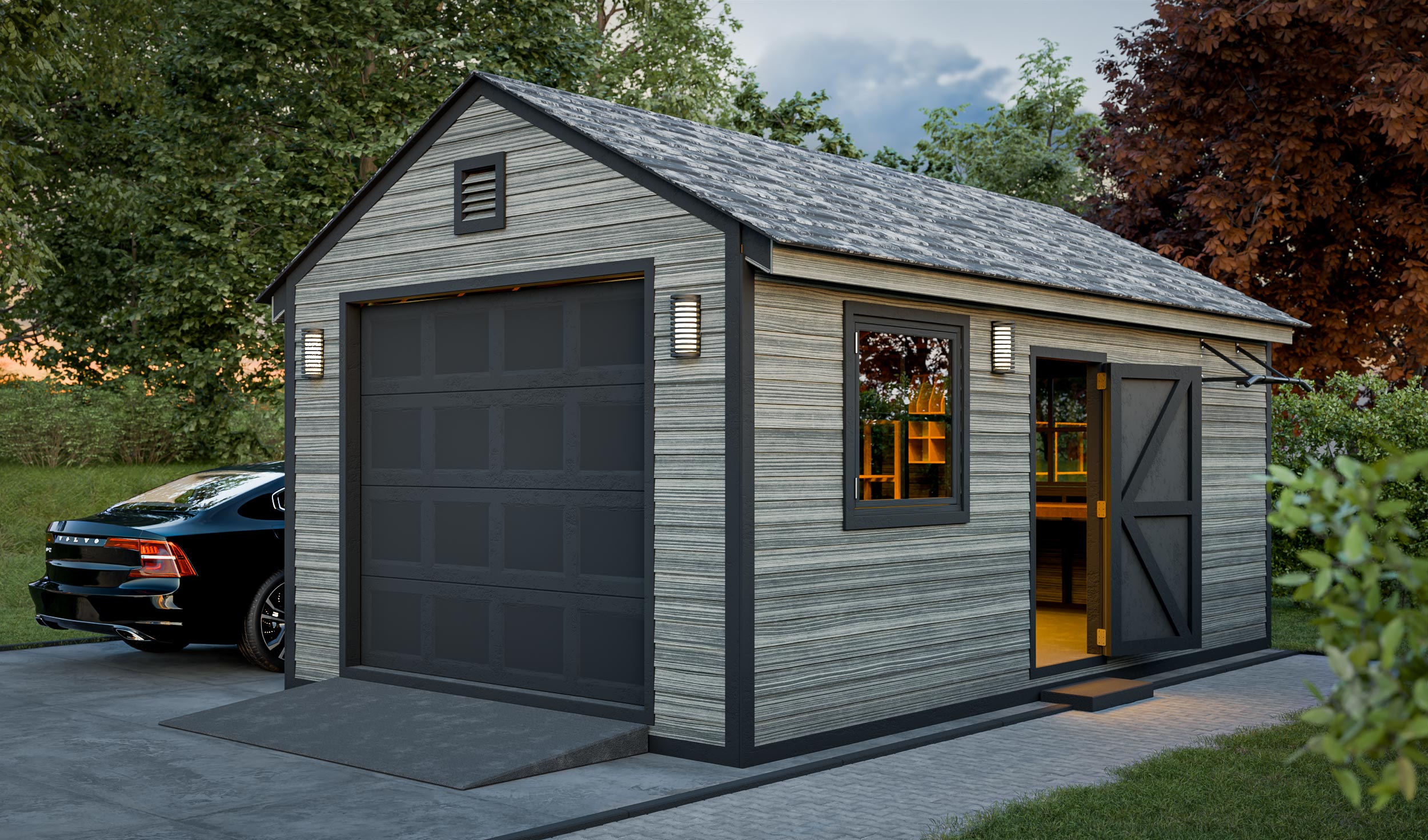
Garage Shed Plans 12×16 Classic with Wide Door & Ramp

This versatile 192-square-foot structure features wood siding, ventilation, and natural lighting, perfect for both storage and potential conversion into a workspace or studio.

The Benefits of Building a Garage Shed

Building a garage shed provides a significant return on investment once the project is completed. This type of shed offers benefits that go beyond simple storage, directly impacting property value and daily organization.

It’s Not as Hard as You Think

Many people worry that building a garage shed will be too difficult, usually fearing the foundation or framing. However, the process is manageable for most DIYers. Testing with novice builders shows that the “intimidation factor” usually drops once they see the 3D structure diagrams. Your shed will typically use a simple slab or reinforced skid foundation, and with detailed PDF plans, you have the exact cut list. First-time builders often frame a 12×20 garage in a single weekend simply by following the numbered assembly order.

Prior to building, many users find it helpful to use digital planning tools. These applications offer intuitive controls that allow you to visualize the layout. You can drag items like workbenches, vehicles, or shelving units onto a virtual 3D view floor plan to verify that everything fits before you buy a single piece of lumber. This pre-visualization ensures the selected plan matches your specific spatial needs.

Garage Sheds Have Multiple Uses

A garage shed does not have to be used exclusively for cars. The term “garage” implies vehicle storage, but the 8-foot wide doors and reinforced floors in plans like the 24×24 Gable model support heavy machinery or high-traffic hobbies. These structures serve many practical purposes, and functionality could even change as the years go by. For example, you might use it as a garage in the near future, but eventually, you might want to use it as:

  • A Clubhouse for your kids: The 12×16 model is perfect for this—large enough for furniture but small enough to heat easily.
  • A Home Office: With the addition of insulation and drywall, these structures are far cheaper than a home extension.
  • A Work Room: The 30×40 plan offers 1,200 sq ft of workshop space—enough for a full table saw outfeed setup.
  • A Music or Dance Studio: The separate structure provides natural sound isolation from the main house.
  • A Guest House: Our Gambrel roof plans (like the 20×20) have lofts that can easily be converted into sleeping quarters.
  • Storage Space: Perfect for a boat, 4-wheeler, or classic car restoration project.

Technical Planning Guide

Before breaking ground, it is critical to address the logistical aspects of building a structure of this magnitude. Unlike small garden sheds, garage sheds require specific site preparation to handle heavier loads.

Choosing the Right Foundation

The longevity of your garage shed depends entirely on the foundation. For structures housing vehicles like a mid-size car or pickup, a concrete floating slab is the industry standard. Concrete provides the necessary compressive strength to support dynamic loads. However, concrete requires a curing period, typically 28 days, to reach full structural strength before you can drive on it.

For lighter uses, such as housing a mower, wheelbarrow, or yard cart, a reinforced skid foundation may suffice. This involves pressure-treated runners resting on a crushed stone bed. While cheaper and faster to install, skid foundations can shift over time in regions with heavy frost heave, potentially jamming door frames. Always check the load rating of the floor system in your chosen plan.

Navigating Permits & Zoning

Large accessory structures almost always trigger zoning requirements. Most municipalities enforce “setback” rules, which dictate that the structure must be a specific distance (often 5 to 15 feet) from property lines. Additionally, structures exceeding 200 square feet usually require a building permit and inspections at the footing and framing stages.

Failure to secure a permit can result in fines or a requirement to dismantle the structure. It is advisable to print the “Elevations” and “Floor Plan” pages from your PDF download to submit with your permit application, as these pages typically contain the technical details inspectors need to verify code compliance.

You’ll Add More Storage to Your Home

Most homes suffer from a lack of storage space. Using a basement or a temporary storage shed for lawn equipment often leads to clutter. A garage shed provides secure, long-term storage to finally get everything organized. Relocating large items such as a Utility Tractor, Golf Cart, Snowblower, or Gas Garden Tiller to a dedicated outbuilding frees up the attached garage for daily use. This separation of “work” and “life” zones reduces dirt tracking into the main home and protects valuable equipment from accidental damage.

You Can Choose From Many Different Styles

Because you are building it yourself, you can choose a style that complements your existing architecture. Regardless of the visual style, these plans utilize wooden construction for durability. Homeowners often select plans that match their main residence. For instance, if a home has a farmhouse aesthetic, the 14×24 Gambrel (Barn Style) plan complements that perfectly, whereas a modern home might pair better with the clean lines of the 24×24 Gable plans. You might also consider the “Elite Garden Shed” style for a more upscale look, or plans that “Show Loft Area” to maximize vertical storage. This visual cohesion is a massive selling point if you ever decide to put your property on the market.

Your Car Will be Protected From the Elements

Leaving a car exposed to the elements leads to accelerated wear. Beyond the inconvenience of clearing snow or entering a hot vehicle, environmental exposure causes measurable damage. Data indicates that clear coat oxidation on vehicles stored outdoors typically begins appearing within 36 to 48 months, while dashboard cracking can occur even sooner in high-UV regions. A garage shed mitigates these risks, preserving the resale value of the vehicle significantly longer than outdoor parking.

Building a Garage Shed is More Cost Efficient

Hiring a contractor to build a detached garage can cost tens of thousands of dollars. In many metropolitan regions, labor costs for construction now exceed $60-$80 per hour. Building your own garage shed effectively cuts the project budget in half by eliminating these labor fees. While material prices fluctuate, the equity gained from the project is immediate. Real estate data suggests that well-built accessory structures often recover 60-80% of their build cost in home equity upon completion.