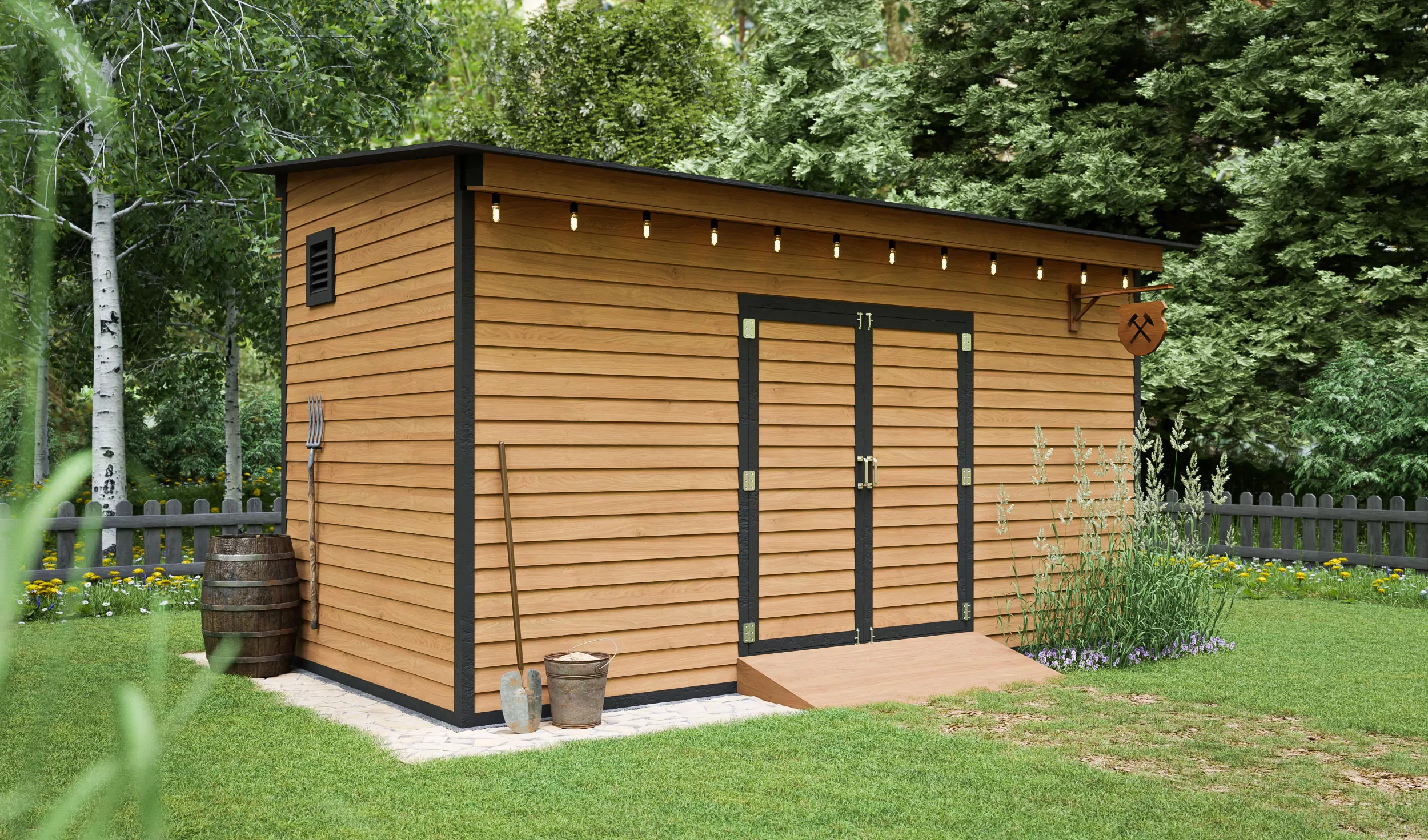
Storage Shed Plans

Author profile picture Written by Craftcamp Published: December 9, 2025 | Updated: December 10, 2025

Storage shed plans are designed specifically to maximize organization and protect your belongings from the elements. Unlike workshop sheds built for active projects or garden sheds optimized for potting and plant care, storage sheds prioritize efficient space utilization, easy equipment access, and weather-tight construction. These plans emphasize practical features like wide doors for moving large items, simple layouts that maximize usable floor space, and straightforward construction that keeps costs reasonable while delivering years of reliable protection.

12x12 Lean to Shed Plans Easy

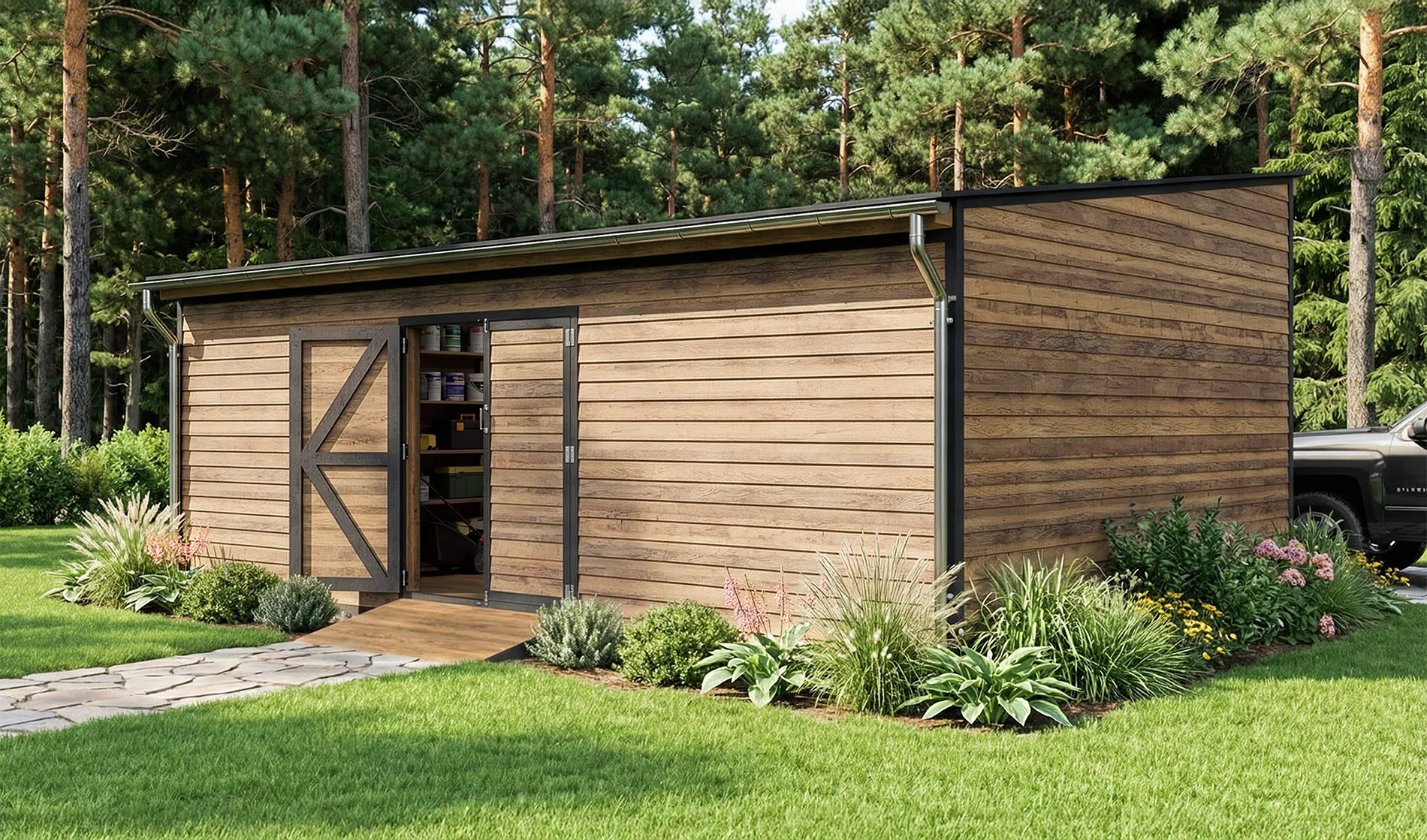
A square 144 sq ft puts you in permit territory in most US towns. The lean-to roof is the easiest framing in this size class, since there’s no ridge beam to set; just a single slope laid across differential wall heights. First-time builders typically finish the structure in two to three weekends. Materials $1,800–2,500. Pressure-treated framing on a gravel pad works for most sites.

12x18 Gable Shed Plans with Wide Doors

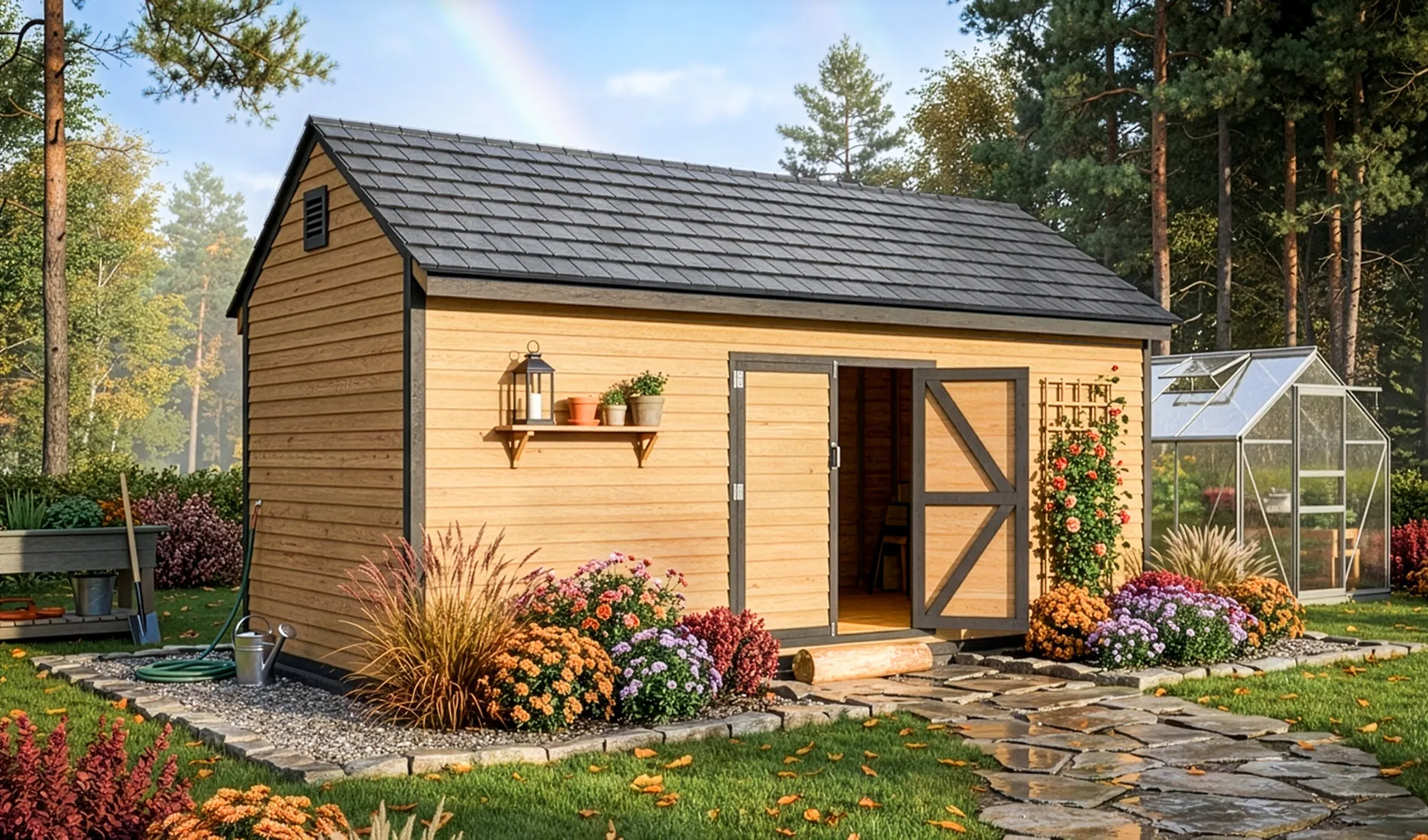
216 sq ft with a wide front opening sized for a riding mower or ATV. Reinforced concrete is the foundation choice, since the door span and equipment weight push past what gravel-on-skids can handle. Permit needed in nearly all municipalities. Materials $3,000–4,200, three to four weekends with a helper. The width also makes it viable as a small workshop with bench space along one long wall.

10x10 Lean to Shed Plans Simple

The simplest 100 sq ft plan we offer. No windows in the base layout, single-slope roof, pressure-treated frame on a gravel pad. A genuine first-shed option. Two weekends, $1,200–1,700, beginner. Windows or a porch can be added later without redesigning the structure.

10x12 Gable Shed Plans

The poured concrete slab distinguishes this version from the lean-to plans at the same dimensions, and it’s the foundation to choose if conduit for electrical is in your future. 120 sq ft puts you in permit territory in most municipalities. Three weekends including slab cure time, $1,800–2,800, intermediate.

10x12 Lean to Storage Shed Plans

Integrated ramp on a 120 sq ft lean-to. The ramp matters more than people expect once you’re rolling wheelbarrows or mowers in and out daily. 120 sq ft sits right at the permit threshold in most US municipalities, so verify locally. Two to three weekends, $1,500–2,200, beginner-to-intermediate. Pressure-treated framing on concrete piers handles most yards without major site prep.

10x14 Gable Shed Plans Outdoor Workshop

Trusses give 140 sq ft of ground floor plus usable overhead loft storage. That overhead capacity is the case for picking the gable over a same-size lean-to. Permit required nearly everywhere at this size. Three weekends, $2,200–3,100, intermediate. Plan for a poured slab or piers, since gravel-on-skids becomes unstable at this size with overhead load.

10x16 Gable Roof Storage Shed Plans

At 160 sq ft you’re firmly in permit territory, and the gable provides respectable overhead clearance for vertical storage or hanging racks. Three to four weekends, $2,500–3,500, intermediate. The four extra feet of length over a 10×12 mostly matter for stowing 12-foot lumber or kayaks without diagonal placement.

10x16 Lean to Shed Plans Slant Roof

Tall walls and a single-slope roof give maximum vertical storage along the high side, which is why some builders pick this over the gable variant (SHED69) at the same dimensions. Permit required. Three weekends, $2,400–3,400, intermediate. Best paired with the high-side wall facing an existing fence or hedge to hide the height differential visually.

10x20 Gable Roof Shed Plans Large

200 sq ft is the threshold where many US jurisdictions require both a permit and framing-plus-final inspections. Double-wide door layout suits riding mowers or a small workshop with a roll-up entry. Four weekends, $3,000–4,200, intermediate-to-advanced due to the wider span. Concrete slab is the right foundation.

10x20 Lean to Shed Plans Single Slope

The lean-to alternative at 200 sq ft. Roof framing is easier than the gable version (SHED65), but loft potential disappears. Permit and inspections in most jurisdictions. Three to four weekends, $2,900–4,000, intermediate. The single-slope roof drains efficiently to one side, which matters more in heavy-snow regions than people typically realize.

12x12 Storage Shed Plans with Gable Roof

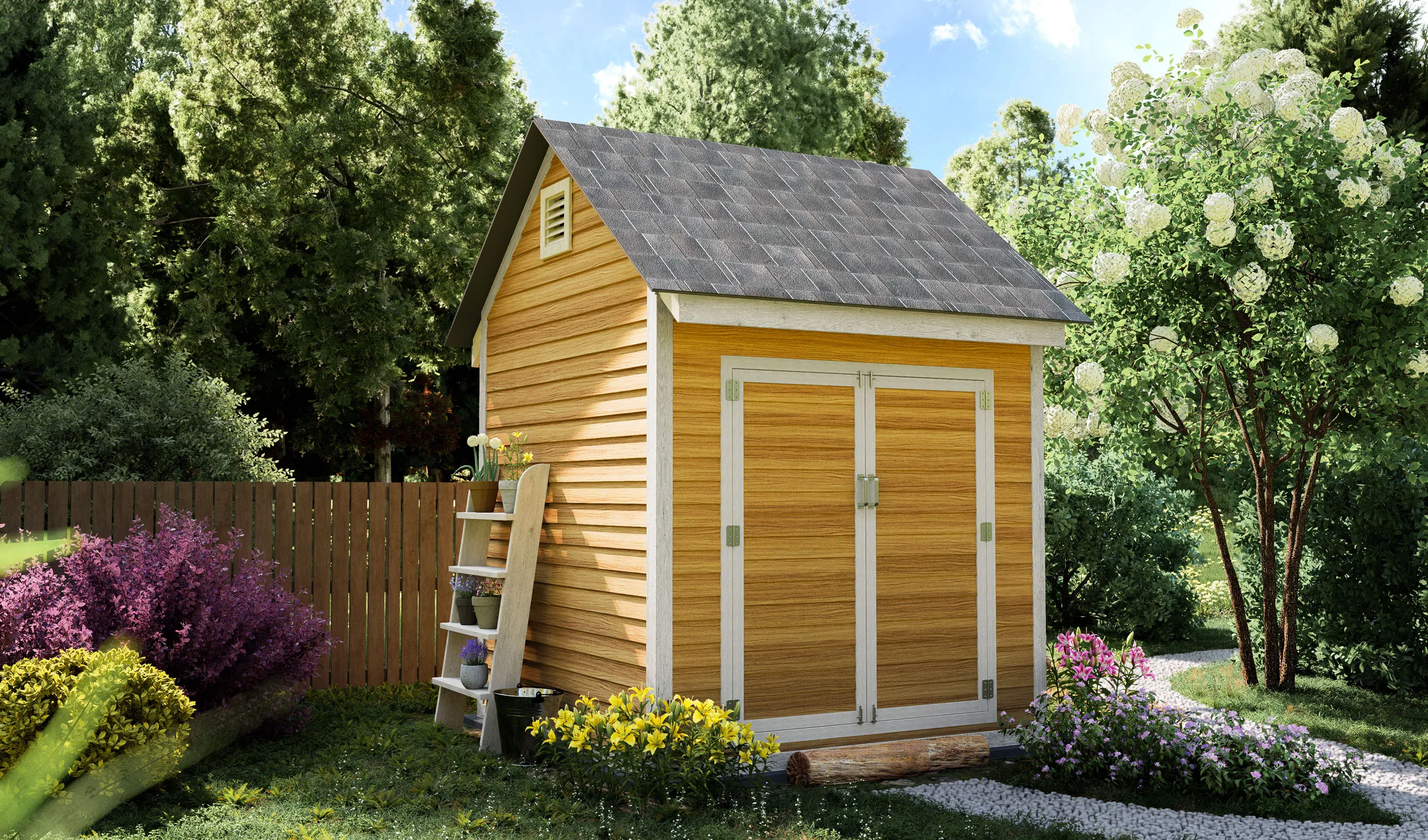
The workhorse 144 sq ft for tools, mower, bikes, and a workbench in one space. Permit usually required at this size. Two and a half weekends, $1,900–2,700, beginner-to-intermediate. If overhead loft storage matters more than floor area, the 10×14 (SHED73) trades some floor for overhead capacity at similar materials cost.

12x14 Lean to Storage Shed Plans Yard

168 sq ft of lean-to with double-wide doors, designed for yard equipment and tool storage on a single floor. Permit required. Three weekends, $2,200–3,000, beginner-to-intermediate. Worth picking over the gable version (SHED59) when you want the floor space without the rafter complexity.

12x16 Gable Shed Plans Tool Storage

192 sq ft is roomy enough to function as a hobby workshop, home gym, or office without feeling cramped. Permit required almost everywhere. Four weekends, $2,800–3,900, intermediate. The gable version makes more sense than the equivalent lean-to (SHED55) when loft storage or a finished ceiling matters.

12x18 Lean to Shed Plans Yard

216 sq ft puts you past the threshold where most US jurisdictions require both permits and inspections. The single-slope roof keeps framing manageable for the size; the 18-foot length is what makes it useful for long items like ladders, kayaks, or 12-foot-plus lumber. Four weekends, $3,000–4,200, intermediate. Pressure-treated frame on concrete piers is the right spec.

12x20 Gable Shed Plans Backyard Workshop

240 sq ft gable with a 64-inch double door. Sized for a serious home workshop with bench space along one long wall and tool storage along the other. Permit, inspections, slab or pier foundation. Materials $3,500–4,800, four to five weekends, intermediate. The gable height leaves room to add loft storage later without reframing.

12x20 Lean to Shed Plans Storage

Lean-to at 240 sq ft with a 5’4″ door and integrated ramp. The ramp matters more at this size than on smaller plans, since you’ll mostly be storing wheeled equipment rather than hand tools. Four weekends, $3,300–4,500, intermediate. Permit territory in essentially all US municipalities.

12x24 Gable Shed Plans with Double Door

Seven-foot walls and loft potential are the case for choosing this version over a same-size lean-to. You get standing-height storage under the loft plus a usable second level above. Permit and inspections required. Five weekends, $4,000–5,800, intermediate.

12x24 Lean-To Storage Shed Plans

8’7″ walls give genuine standing-height storage along the full 24-foot length. The geometry suits long-equipment storage (ladders, lumber, kayaks) better than a gable at the same dimensions. Permit and inspections. Materials $3,800–5,200, four to five weekends, intermediate.

14x16 Lean to Shed Plans Custom

224 sq ft with vented walls and a double-door ramp. The layout assumes you’ll move equipment in and out rather than just stacking boxes. Permit and inspections required. Materials $3,400–4,600, four weekends, intermediate.

14x20 Lean to Shed Plans Backyard Outdoor

280 sq ft with tall walls and gable vents. Built around vertical storage along the high side, useful when items hang on walls rather than stack on floors. Permit and inspections. Materials $4,200–5,800, five weekends, intermediate-to-advanced.

16x24 Lean to Storage Shed Plans

Eight-foot sidewalls over 384 sq ft give genuine vertical storage capacity. This is workshop-and-storage scale, not backyard-shed scale. Permit, inspections, slab. Materials $6,000–8,500, six to seven weekends, advanced. The wall raises are a two-person job.

4x6 Lean to Shed Plans Small Garden

Almost seven feet of interior height inside 24 sq ft means rakes and shovels store upright instead of diagonally. No permit at this size in most US towns. Skids on a gravel pad, one weekend, $400–550 in materials. A defensible first project for anyone who’s never framed.

4x6 Small Yard Storage Shed Plans

Same 24 sq ft as SHED28 but with a peaked roof and two gable vents. Worth choosing the gable when humidity is a concern, or you’re storing anything moisture-sensitive. One weekend, $400–600, beginner.

4x8 Gable Roof Wooden Shed Plans

The gable peak gives 32 sq ft usable headroom that a lean-to of the same dimensions wouldn’t have. Workable for tool storage or a kid’s playhouse conversion. Skids on gravel, one weekend, $450–650, beginner.

4x8 Lean to Shed Plans Small Yard

Less interior height than SHED25’s gable variant, but the integrated ramp earns its keep once you’re rolling a push mower or wheelbarrow in regularly. $400–600, one weekend, beginner skill.

6x10 Gable Shed Plans Small Outdoor

Seven-foot walls on a 60 sq ft frame give enough vertical clearance to feel like a real small structure rather than a glorified closet. Usable as a tiny office, hobby room, or storage with hanging racks. One and a half weekends of work, $700–1,000 in materials, beginner level. Permit-free in most places.

6x10 Lean to Shed Plans DIY Garden

At 60 sq ft you’re well clear of the permit threshold in nearly all US municipalities. The integrated ramp matters once you start rolling a mower in and out. If static storage is the use case, the gable version (SHED21) has more vertical clearance. One and a half weekends, $700–1,000, beginner.

6x8 Lean to Shed Plans Garden Tool

Double doors on a 48 sq ft shed feel excessive until you’ve tried wheeling a mower through a single door and had to angle it sideways. One weekend, $550–800, beginner. No permit needed in most US municipalities at this size.

8x10 Wood Storage Shed Plans DIY

Eighty square feet of ground floor plus overhead loft storage, which is what justifies the extra framing work compared to the lean-to alternative (SHED15) at the same size. Useful for seasonal items that don’t need daily access. One and a half weekends, $900–1,300, beginner.

8x12 Gable Storage Shed Plans

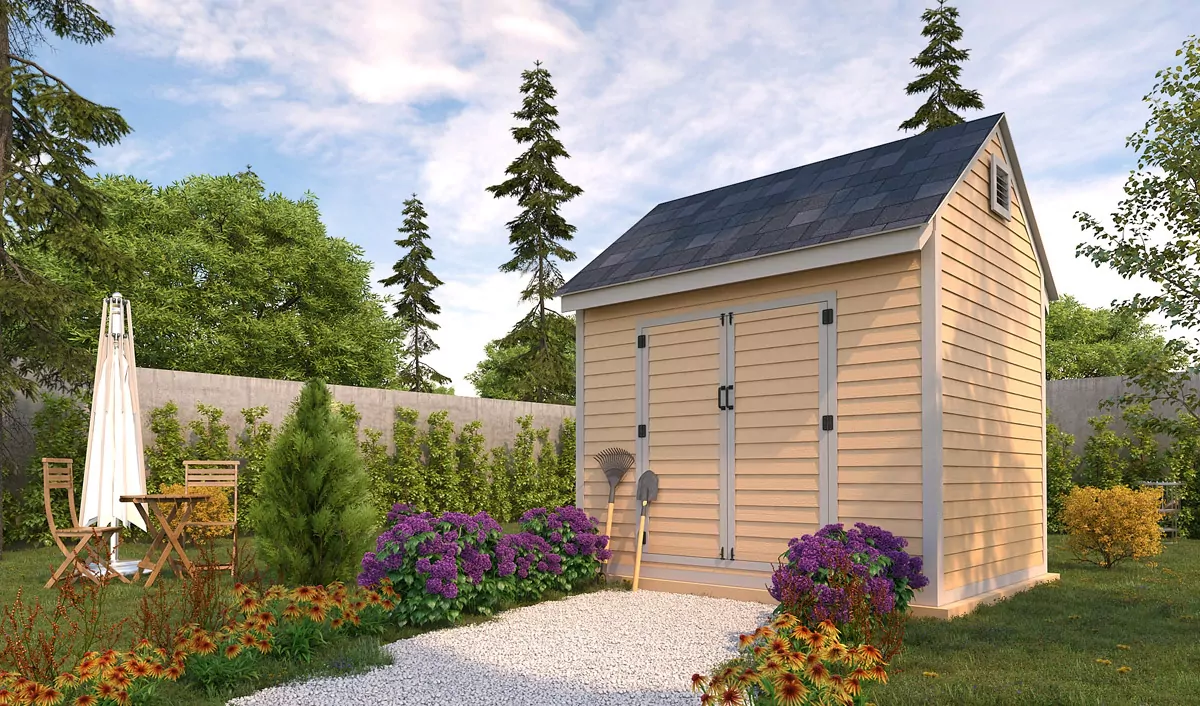
Ninety-six square feet, comfortably under the 100 sq ft permit threshold most US municipalities use. The standard pick for homeowners who’ve outgrown a 4×8 but want to avoid the permit office. Two weekends, $1,000–1,500, beginner.

8x16 DIY Outdoor Storage Shed Plans

128 sq ft puts you in permit territory in most US municipalities. The 16-foot length is what separates this plan from smaller storage builds, since it’s long enough for 12-foot lumber or a serious workshop bench. Two and a half weekends, $1,400–2,100, intermediate.

8x16 Gable Workshop Shed Plans

The 16-foot length on a gable roof combines usable workshop floor with overhead storage above the trusses for seasonal items. Three weekends, $1,500–2,300, intermediate.

8x8 Gable Roof Shed Plans Backyard

At 64 sq ft this build stays just under the permit threshold used in most US municipalities (worth verifying locally, but you’ll likely skip the paperwork). Gable framing adds a few hours over a lean-to of the same dimensions; the centerline headroom matters when rakes or step ladders need to store vertically. A weekend and a half with hand tools and a circular saw, $700–900 in lumber, OSB, and three-tab shingles. Good first build for someone who’s framed a wall but never cut rafters.

8x8 Lean to Shed Plans Double Door

The simplest plan at this size and the easiest first build for a complete beginner. Single-slope roof, double-door front, no windows in the base layout. One and a half weekends, $650–950, beginner. SHED01 covers the same dimensions with a small gable upgrade if you want the aesthetic.

DIY 4x6 Bike Storage Shed Plans

Holds two or three adult bikes with handlebars clear of each other. Shingle roof rather than corrugated metal, since bikes don’t tolerate water intrusion well. One weekend, around $500, beginner. No permit anywhere at this size.

DIY 8x10 Lean to Shed Plans Outdoor

The lean-to version of SHED13’s 80 sq ft layout. Simpler roof, no loft, finishes faster. One and a half weekends, $850–1,250, beginner.

Easy to Build 10x10 Storage Shed Plans

A 10×10 build sits exactly at the permit boundary used in many US municipalities. Some towns exempt up to 100 sq ft, others up to 120, so verify locally before ordering materials. Customizable interior layout, with shelving runs along both long walls. Two weekends, $1,200–1,800, beginner.

Gable Roof 6×8 Bike Storage Plans Protect & Organize

Four to six bikes with vertical wall mounts. The gable height supports hanging bikes by their frames rather than parking them on the floor. One weekend, $550–800, beginner. Stain or paint after assembly to match house trim.

Modern 12x16 Garden Shed Plans

8’7″ walls are the modern aesthetic move, taller than the standard 7-foot wall and changing both the look and the storage capacity. Permit required at this size. Four weekends, $2,800–3,900, intermediate. The lean-to roofline gives the clean modern profile.

Simple 6x8 Garden Tool Shed Plans

Seven-foot walls and gable vents on a 48 sq ft frame. Adequate for hand tools, a small workbench, or as a starter chicken coop with minor modifications. One weekend, $600–900, beginner. Permit-free in most places.

What Defines a Storage Shed

Primary Purpose: Storage sheds exist solely to house and protect equipment, tools, seasonal items, and outdoor gear. While any shed can technically store items, storage shed plans are optimized specifically for this function rather than doubling as workshops or living spaces. The design priorities reflect this focus, maximum capacity, easy access, and minimal wasted space.

Simple, Functional Design: Storage shed plans typically feature rectangular footprints without complex angles or specialized features. This simplicity reduces construction costs, speeds building time, and creates flexible interior space that you can organize however your storage needs require. Unlike hobby or workshop sheds that include built-in workbenches or specialized lighting, storage sheds provide an empty canvas for shelving and organization systems you add yourself.

Emphasis on Access: Wide doors are the hallmark of good storage shed design. Plans in this category typically feature double doors ranging from 48 to 72 inches wide, allowing you to easily move riding mowers, ATVs, motorcycles, and bulky seasonal decorations in and out. Ramp-ready designs accommodate wheeled equipment, while taller door heights (often 6 feet or more) prevent having to duck when carrying tall items.

Weather Protection Focus: Storage sheds protect valuable equipment from rain, snow, UV damage, and temperature extremes. Plans emphasize proper roof drainage, adequate roof overhang to protect walls, and floor systems that keep stored items elevated above ground moisture. Unlike sheds designed for comfortable human occupancy, storage sheds don’t require insulation or climate control, just solid protection from the elements.

Storage Shed vs. Other Shed Types

Storage Shed vs. Workshop Shed: Workshop sheds include features for active projects, electrical service, natural lighting through multiple windows, workbench support, and often insulation for year-round comfort. Storage sheds prioritize capacity over amenities, using that same square footage for maximum storage rather than comfortable workspace. Choose storage shed plans if you primarily need to store equipment; choose workshop plans if you’ll spend time working inside.

Storage Shed vs. Garden Shed: Garden sheds are designed for gardening activities with features like potting benches, shelving at comfortable working heights, and ample natural light for plant care. Storage sheds focus purely on capacity, storing mowers, tools, and equipment efficiently without specialized gardening features. Garden sheds often include charm elements like window boxes and decorative trim; storage sheds maintain simpler, more utilitarian aesthetics.

Storage Shed vs. Garage Shed: Garage sheds are specifically sized and designed for vehicle storage, with extra-wide doors (typically 8+ feet), higher ceilings for clearance, and reinforced floors for vehicle weight. Storage sheds accommodate smaller equipment like riding mowers and ATVs with adequate but not oversized openings, keeping construction costs and material usage more modest. Choose garage sheds for full vehicle protection; choose storage sheds for general equipment and tool storage.

Storage Shed vs. Utility Shed: The terms overlap significantly, but utility sheds sometimes emphasize specific functions like housing pool equipment, generators, or trash enclosures. Storage sheds maintain more general-purpose design suitable for varied storage needs that may change over time. The flexibility of storage shed plans makes them adaptable to whatever you need to store, whenever your needs change.

Maximizing Storage Capacity

Vertical Space Utilization: Storage shed plans with steeper roof styles (gable roofs particularly) create opportunities for overhead storage or simple loft platforms. Storing seasonal items overhead keeps them protected while preserving valuable floor space for frequently-accessed equipment. Wall heights of 7 feet or more allow for tall shelving units that maximize vertical storage.

Wall Space Efficiency: Open interior walls provide maximum flexibility for installing shelving, pegboards, tool racks, and hooks exactly where you need them. Storage shed plans typically minimize the number of windows to preserve wall space for organization systems. The simple rectangular layout means all four walls offer useful storage potential without awkward corners or wasted space.

Floor Plan Optimization: Rectangular footprints with centered door placements create the most efficient storage layouts. This configuration allows you to walk straight into the shed and access items stored along both sides. Corner-placed doors waste space and create awkward traffic patterns that reduce effective storage capacity.

Size Selection for Storage Needs: Small storage sheds (6×8 to 8×10) handle basic lawn care equipment and garden tools. Mid-size sheds (10×12 to 12×16) accommodate riding mowers plus substantial tool and equipment storage. Large storage sheds (12×20 and up) can store multiple large items, ATVs, motorcycles, lawn tractors, along with all your outdoor equipment and seasonal items.

Door Design and Equipment Access

Double Door Advantages: Double doors (two doors that open outward from center) provide the widest clearance for moving large equipment. This design eliminates the center post present in some sliding door configurations, giving you the full stated width as usable clearance. Most storage shed plans in the 10×12 and larger range include double doors as standard.

Door Width Considerations: Measure your largest equipment before selecting plans. Riding mowers typically need 48+ inches of clearance, while ATVs and small tractors require 60+ inches. Account for 6-8 inches beyond equipment width to allow maneuvering room and accommodate mirrors or handlebars. Door openings of 60-72 inches handle most residential storage needs.

Ramps vs. Thresholds: Storage sheds designed for wheeled equipment benefit from ramp-ready designs. Plans either include ramp construction details or show floor framing that accommodates a simple plywood ramp. The slight extra floor height created by standard shed construction (usually 4-6 inches) requires a ramp for riding mowers and similar equipment. Hand tools and walk-in storage don’t require ramps.

Door Hardware Durability: Storage sheds with heavy, frequently-used doors need robust hinges and latches. Plans should specify heavy-duty strap hinges or T-hinges rather than lightweight residential door hinges. Include hasp-style latches that accommodate padlocks for security, especially if storing valuable equipment.

Organization and Interior Layout

Flexible Shelving Options: Storage shed plans provide empty interior space that you customize with shelving systems appropriate to your storage needs. Wall-mounted shelves for small items, floor-to-ceiling units for bins and boxes, and overhead platforms for seasonal storage all work within the simple shed structure. The standardized wall framing (typically 16 inches on center) provides secure anchoring points for any shelving configuration.

Zone-Based Storage: Effective storage shed organization creates zones for different item categories. Keep frequently-used items near the door, store seasonal equipment in back corners, hang long-handled tools on one wall, and dedicate another wall to small items on shelves. The open plan layout of storage sheds supports this logical organization better than complex floor plans with divided rooms.

Pegboard and Hook Systems: Wall-mounted pegboard panels transform shed walls into organized tool storage. The simple, open interior of storage sheds provides large expanses of uninterrupted wall surface perfect for pegboard installation. Combined with appropriate hooks, this creates visible, accessible storage for hundreds of hand tools and small items.

Floor Organization: Keep the shed floor as clear as possible for large equipment while using vertical wall space for smaller items. If storing multiple large pieces on the floor, create defined parking spots that allow you to fit everything while maintaining a center aisle for access. Consider painted floor lines or tape to designate equipment locations.

Construction Features Specific to Storage Sheds

Simple Framing: Storage sheds don’t require the complex framing of workshop sheds with multiple electrical runs or the reinforced structures of garage sheds handling vehicle loads. Standard 2×4 framing on 16-inch centers provides adequate strength for hanging shelves and typical storage loads. This simpler construction reduces material costs and building complexity.

Minimal Window Requirements: Storage sheds often include just one window or none at all, preserving wall space for storage and reducing construction time. Natural light matters less when you’re just accessing stored items briefly rather than working inside for extended periods. The simplified window framing speeds construction and reduces potential leak points.

Weatherproof but Unfinished: Storage shed plans focus on weathertight roofing and proper exterior moisture barriers but typically don’t include interior finishes like drywall or paneling. The exposed framing provides easy mounting points for shelving and hooks while eliminating unnecessary finishing costs. If you later want finished interiors, the basic structure accommodates upgrades.

Foundation Flexibility: Storage sheds work well on simple foundations like gravel pads with concrete blocks or pressure-treated skid foundations. Unlike workshop or living space sheds that benefit from concrete slabs with insulation, storage sheds just need level, stable support that keeps the floor elevated above ground moisture. This foundation flexibility reduces costs and simplifies site preparation.

Common Storage Applications

Lawn Care Equipment: The most common storage shed use, housing riding mowers, push mowers, trimmers, blowers, edgers, and related maintenance tools. A 10×12 shed comfortably stores a riding mower plus all hand tools and supplies. Larger properties with multiple mowers and commercial-grade equipment need 12×16 or larger.

Seasonal Item Storage: Holiday decorations, summer pool equipment, winter sporting gear, camping equipment, and seasonal furniture all need protected storage but don’t warrant climate-controlled space. Storage sheds keep these items dry and organized while freeing up basement or garage space. Overhead lofts work particularly well for seasonal items accessed just once or twice yearly.

Outdoor Recreation Gear: Bicycles, kayaks, canoes, paddleboards, motorcycles, ATVs, and similar recreational equipment need weather protection between uses. Storage sheds with wide doors provide easy access while protecting expensive equipment from UV damage, precipitation, and temperature extremes.

Garden Supplies: While active potting happens in garden sheds, storage sheds excel at housing bags of soil, fertilizer, mulch, pots, and equipment. Keep the messier storage aspects in a utility shed while reserving garage or garden shed space for cleaner, more frequently-accessed items.

Tool and Hardware Storage: Power tools, hand tools, fasteners, and hardware benefit from organized, protected storage. Dedicated tool storage in a shed keeps items accessible while freeing garage space for vehicles. The secure, locked environment protects valuable tool collections.

Firewood Storage: Covered but unheated storage keeps firewood dry while allowing airflow. Open-sided firewood sheds work best, but enclosed storage sheds with adequate ventilation can store several cords while protecting from rain and snow. Keep firewood elevated on pallets or lumber for air circulation.

Security Considerations

Locking Hardware: Storage sheds containing valuable equipment need robust security. Plans should accommodate heavy-duty hasps with hardened padlocks or, for higher security, keyed deadbolt locks. Position locks to prevent prying and use hidden or recessed hinges that can’t be removed when doors are closed.

Window Security: If your storage shed plan includes windows, consider placement that doesn’t provide clear sightlines to expensive equipment. Higher windows or windows on sides away from public view reduce theft temptation. Alternatively, choose plans without windows if security is a primary concern.

Solid Construction: Properly built storage sheds with solid walls and good roofing provide better security than flimsy structures with gaps or weak panels. The investment in quality construction pays off in both durability and theft deterrence.

Location Visibility: Site your storage shed where it’s visible from your house or has natural surveillance from neighbor properties. Sheds hidden at back property lines face higher theft risk than those in more visible locations.

When to Choose Storage Shed Plans

Best For:

  • Decluttering garages to make room for vehicles
  • Protecting lawn care and outdoor equipment
  • Organizing seasonal items and recreational gear
  • Cost-effective storage solutions without specialized features
  • First-time builders wanting straightforward construction
  • Properties where the shed purely needs to store items, not provide workspace

Consider Other Shed Types If:

  • You need workspace for projects and hobbies (workshop shed)
  • Primary use involves potting plants and gardening activities (garden shed)
  • Storing vehicles requires extra-wide doors and clearance (garage shed)
  • You want a comfortable space for extended periods (office/studio shed)

Cost-Effective Storage Solutions

Value Focus: Storage shed plans prioritize essential protection and capacity while minimizing extra features that increase cost. This focus on core functionality makes storage sheds among the most economical outbuilding options per square foot of protected space.

DIY-Friendly: The straightforward construction of storage sheds makes them ideal first projects for new DIY builders. Simple framing, minimal openings, and standard materials reduce construction complexity and the risk of costly mistakes.

Material Efficiency: Rectangular floor plans and standard dimensions minimize lumber waste. Storage shed plans are typically designed around standard material lengths, reducing cutting and optimizing material usage.

Maintenance Simplicity: With fewer windows, simpler designs, and utilitarian finishes, storage sheds require less maintenance than more complex structures. Basic annual maintenance, checking roof shingles, touching up paint, and ensuring proper door function, keeps storage sheds serviceable for decades.

Sizing Guidelines for Common Storage Needs

4×6 to 6×8: Hand tools, garden supplies, push mower, and basic equipment. Perfect for small properties with minimal storage needs.

8×10 to 8×12: Riding mower, multiple push mowers, full garden tool collection, seasonal items. The most popular size for typical residential properties.

10×12 to 10×16: Riding mower plus ATV or motorcycle, extensive tool collection, significant seasonal storage. Provides comfortable maneuvering room and organization space.

12×16 to 12×24: Multiple large equipment pieces, commercial-grade tools, comprehensive recreational gear storage. Suitable for larger properties or storage-intensive hobbies.

Larger than 12×24: Extensive equipment collections, small business tool storage, or combined storage for multiple properties. These larger sizes often trigger permit requirements.